
 AsimAli
Low carbon heating solutions are becoming one of the most important parts of modern energy planning. In this guide, we will explore why low carbon heating solutions matter, how they work, and why low carbon heating solutions are considered future-ready for homes and businesses.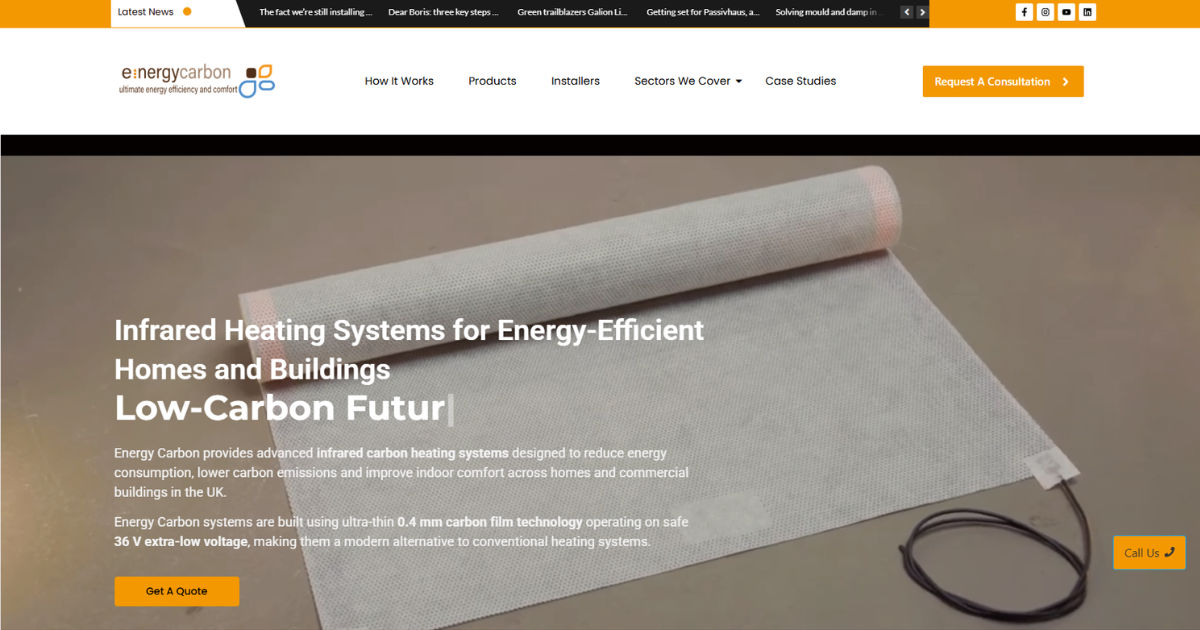
As climate change concerns grow, low carbon heating solutions are helping reduce emissions while still providing comfort and efficiency.
Understanding low carbon heating solutions is essential for students, homeowners, and anyone interested in sustainable living.
Throughout this article, low carbon heating solutions will be explained in a simple and clear way so that even a 12th-grade student can understand their importance.
What Are Low Carbon Heating Solutions?
Low carbon heating solutions refer to systems designed to heat buildings while producing fewer greenhouse gas emissions. Unlike traditional heating methods that rely heavily on fossil fuels, low carbon heating solutions use cleaner energy sources such as electricity, heat pumps, solar energy, and biomass. These low carbon heating solutions reduce environmental impact while maintaining indoor comfort.
One of the key advantages of low carbon heating solutions is their ability to significantly reduce carbon footprints. As governments push toward net-zero goals, low carbon heating solutions are becoming more widely adopted. Many homeowners are now switching to low carbon heating solutions because they are efficient, cost-effective over time, and environmentally friendly.
Low carbon heating solutions also include smart systems that optimize energy use. These technologies ensure that low carbon heating solutions do not waste energy, making them more sustainable in the long run. Overall, low carbon heating solutions represent a shift toward cleaner and smarter energy use.
Why Low Carbon Heating Solutions Are Important for the Future
The importance of low carbon heating solutions cannot be overstated. One major reason low carbon heating solutions are essential is their role in reducing global carbon emissions. Heating buildings accounts for a large portion of energy consumption, so low carbon heating solutions directly address this issue.
Another reason low carbon heating solutions are important is energy security. By using renewable sources, low carbon heating solutions reduce dependence on imported fossil fuels. This makes energy systems more stable and less vulnerable to price fluctuations.
Low carbon heating solutions also support environmental sustainability. As climate change becomes more severe, low carbon heating solutions help reduce harmful emissions that contribute to global warming. Additionally, low carbon heating solutions improve air quality by reducing pollutants.
Finally, low carbon heating solutions are important because they align with future regulations. Many countries are already planning to phase out fossil fuel heating systems, making low carbon heating solutions the standard for future construction and renovation projects.
Types of Low Carbon Heating Solutions
There are several types of low carbon heating solutions available today. Each type of low carbon heating solutions works differently but shares the same goal of reducing emissions.
Heat Pumps
Heat pumps are one of the most popular low carbon heating solutions. They work by extracting heat from the air, ground, or water. These low carbon heating solutions are highly efficient because they transfer heat instead of generating it.
Solar Heating Systems
Solar energy is another key part of low carbon heating solutions. Solar thermal panels capture sunlight and convert it into heat. These low carbon heating solutions are especially effective in sunny regions.
Biomass Heating
Biomass is a renewable energy source used in some low carbon heating solutions. It involves burning organic materials like wood pellets. These low carbon heating solutions are considered carbon-neutral when managed properly.
Electric Heating Systems
Modern electric systems powered by renewable energy are also low carbon heating solutions. When electricity comes from wind or solar sources, these low carbon heating solutions become highly sustainable.
Together, these low carbon heating solutions offer a variety of options for different homes and climates.
How Low Carbon Heating Solutions Work
Low carbon heating solutions operate using advanced technologies that reduce energy waste. For example, heat pumps in low carbon heating solutions use refrigeration cycles to move heat efficiently. This process makes low carbon heating solutions much more energy-efficient than traditional boilers.
Solar-based low carbon heating solutions absorb energy from the sun using panels. This energy is then stored or used immediately to heat water or rooms. In biomass-based low carbon heating solutions, organic materials are burned in controlled environments to minimize emissions.
Smart controls also play a major role in low carbon heating solutions. These systems adjust temperature automatically, ensuring that low carbon heating solutions only use energy when needed. This improves efficiency and reduces waste.
Overall, low carbon heating solutions rely on innovation and renewable energy integration to function effectively.
Benefits of Low Carbon Heating Solutions
There are many benefits of low carbon heating solutions for both individuals and society.
One major benefit is reduced energy bills. Over time, low carbon heating solutions can lower heating costs because they use energy more efficiently.
Another benefit is environmental protection. Low carbon heating solutions reduce greenhouse gas emissions, helping fight climate change.
Low carbon heating solutions also increase property value. Homes equipped with low carbon heating solutions are often more attractive to buyers.
Health benefits are another advantage. Low carbon heating solutions reduce air pollution, improving indoor and outdoor air quality.
Finally, low carbon heating solutions support long-term energy independence. By relying on renewable sources, these systems reduce dependence on fossil fuels.
Challenges Facing Low Carbon Heating Solutions
Despite their advantages, low carbon heating solutions also face challenges. One challenge is the initial installation cost. Many low carbon heating solutions require upfront investment, which can be high for some households.
Another challenge is infrastructure. Not all homes are ready for low carbon heating solutions, especially older buildings that may need upgrades.
Weather conditions can also affect some low carbon heating solutions, such as solar heating systems. This means low carbon heating solutions must often be combined with backup systems.
Awareness is another issue. Many people still do not fully understand how low carbon heating solutions work or their long-term benefits.
Even with these challenges, low carbon heating solutions continue to grow in popularity due to technological improvements and government support.
Government Support and Policies
Governments around the world are encouraging the use of low carbon heating solutions. Many countries offer financial incentives to install low carbon heating solutions in homes and businesses.
These incentives make low carbon heating solutions more affordable and accessible. Regulations are also pushing industries to adopt low carbon heating solutions to meet emission targets.
Building codes are increasingly requiring energy-efficient systems, which often include low carbon heating solutions. This shows that low carbon heating solutions are becoming a standard part of modern infrastructure.
As policies continue to evolve, low carbon heating solutions will play a major role in achieving global climate goals.
The Future of Low Carbon Heating Solutions
The future of energy is closely linked to low carbon heating solutions. As technology advances, low carbon heating solutions are expected to become more efficient and affordable.
Smart home integration will make low carbon heating solutions even more effective. Artificial intelligence will help optimize low carbon heating solutions for maximum efficiency.
Renewable energy expansion will also support low carbon heating solutions. As solar and wind power grow, low carbon heating solutions will become even cleaner.
In the future, low carbon heating solutions may become the default choice for all buildings. This shift will significantly reduce global carbon emissions.
Ultimately, low carbon heating solutions represent a key step toward a sustainable future.
How to Choose the Right Low Carbon Heating Solution
Choosing the right low carbon heating solutions depends on several factors. Climate, building type, and budget all influence which low carbon heating solutions are most suitable.
For colder regions, heat pumps may be the best low carbon heating solutions. In sunny areas, solar heating systems may work better. Biomass systems are useful in rural locations where organic fuel is available.
Energy efficiency ratings should also be considered when selecting low carbon heating solutions. Homeowners should compare different low carbon heating solutions before making a decision.
Professional installation is important for all low carbon heating solutions to ensure safety and efficiency.
Conclusion
Low carbon heating solutions are transforming the way we heat our homes and buildings. As energy demands grow, low carbon heating solutions provide a cleaner, smarter, and more sustainable alternative to traditional systems. They reduce emissions, lower energy costs, and support global environmental goals.
While challenges still exist, the benefits of low carbon heating solutions far outweigh the drawbacks. With continued innovation and government support, low carbon heating solutions are expected to become the standard for future heating systems.
From heat pumps to solar systems, low carbon heating solutions offer a wide range of options for different needs. As awareness increases, more people will adopt low carbon heating solutions and contribute to a greener planet.
In summary, low carbon heating solutions are not just a trend—they are a necessary step toward a sustainable future for generations to come.

 sharp_eye