
 AsimAli
Planning a wedding involves a lot of details, from the venue and catering to decorations and invitations. Among these details, your wedding card plays a crucial role in setting the tone for your special day.
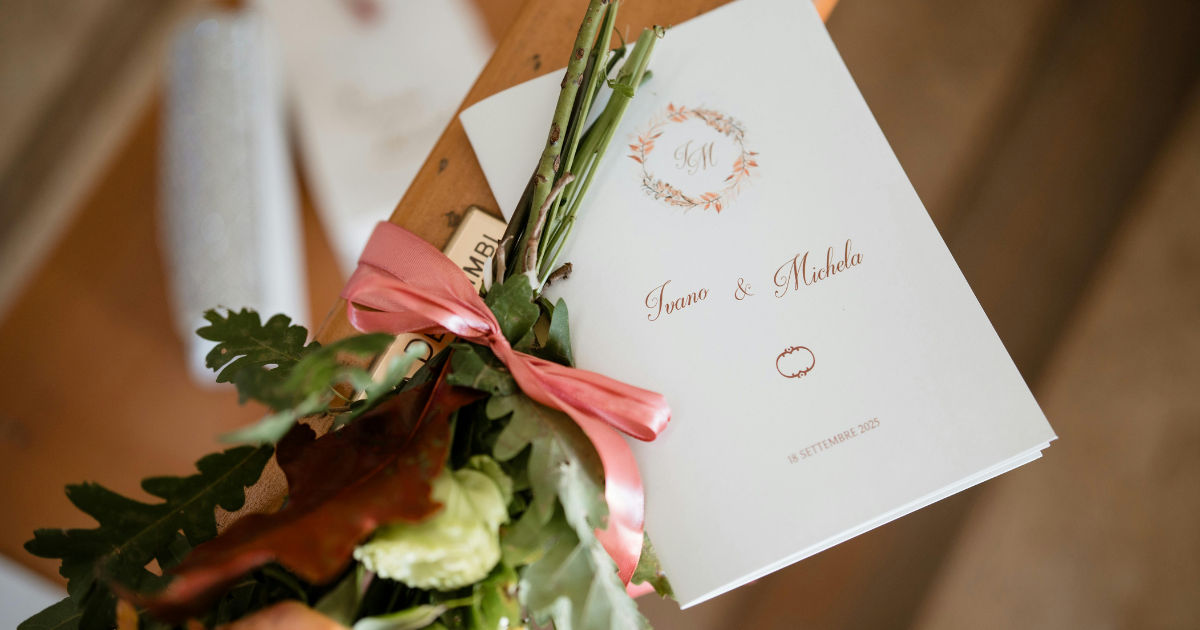
Choosing the right size for your wedding card is not just about aesthetics—it ensures your invitation fits properly in an envelope, arrives safely, and gives your guests a polished impression.
In this comprehensive guide, we will explore everything you need to know about wedding card sizes and what works best for envelopes.
Understanding Standard Wedding Card Sizes
Wedding cards come in a variety of sizes, but there are standard options widely used in the wedding industry. Knowing these standard sizes will help you choose an envelope that fits perfectly and maintains the elegance of your invitation.
1. A7 Size (5 x 7 Inches)
The A7 size is the most popular choice for wedding cards. It measures 5 x 7 inches and fits comfortably in a standard A7 envelope. This size allows enough space to include detailed information like RSVP details, dress codes, and additional inserts without looking crowded.
Pros of A7 Wedding Cards:
-
Classic and elegant look.
-
Plenty of space for details.
-
Easily fits standard envelopes.
Cons:
-
Slightly larger, may cost more to mail depending on postage rates.
2. A6 Size (4.5 x 6.25 Inches)
A6 wedding cards are a slightly smaller alternative to A7. They work well for minimalist designs and shorter messages. This size fits into an A6 envelope and is perfect for casual or modern weddings.
Pros of A6 Wedding Cards:
-
Cost-effective.
-
Compact and neat.
-
Suitable for casual invitations.
Cons:
-
Limited space for detailed information.
-
May require smaller font size to include all details.
3. Square Cards (5 x 5 Inches or 6 x 6 Inches)
Square wedding cards offer a unique and contemporary design. However, square cards require custom envelopes, which may increase your costs. These cards stand out and are ideal for couples looking for something different.
Pros of Square Wedding Cards:
-
Unique and eye-catching.
-
Modern look.
-
Can match creative wedding themes.
Cons:
-
Requires custom envelopes.
-
Higher mailing costs.
-
May require extra postage due to non-standard shape.
4. DL Size (3.5 x 8.5 Inches)
The DL size is a long, narrow card that resembles a small booklet. DL wedding cards fit into a standard DL envelope, which is commonly used for mailing invitations. They are perfect for including detailed schedules or itineraries.
Pros of DL Wedding Cards:
-
Fits standard DL envelopes.
-
Good for itinerary-style layouts.
-
Elegant and professional look.
Cons:
-
Less traditional for weddings.
-
Narrow space may limit design options.
Choosing the Right Envelope
Selecting the right envelope is as important as choosing the wedding card itself. The envelope not only protects the invitation but also provides the first impression to your guests. Here are some factors to consider.
Envelope Sizes for Standard Cards
Each wedding card size has a matching envelope size:
-
A7 Card (5 x 7 inches) → A7 Envelope (5.25 x 7.25 inches)
-
A6 Card (4.5 x 6.25 inches) → A6 Envelope (4.75 x 6.5 inches)
-
Square Card (5 x 5 inches) → Custom Square Envelope (5.25 x 5.25 inches)
-
DL Card (3.5 x 8.5 inches) → DL Envelope (3.625 x 8.75 inches)
It’s essential to choose an envelope slightly larger than the card to avoid crumpling or damage.
Envelope Styles
Envelope styles can also complement your wedding card:
-
Classic V-Flap: Traditional and elegant, suitable for A7 and A6 cards.
-
Square Flap: Works well with square cards.
-
Peel-and-Seal: Easy and convenient, saves time during assembly.
-
Wallet Style: Great for DL cards and invitations with multiple inserts.
Envelope Material
The material of the envelope is just as important as its size:
-
Linen or Cotton Paper: Adds a luxurious feel.
-
Kraft Paper: Rustic or eco-friendly look.
-
Vellum: Semi-transparent for a modern touch.
Matching the envelope material with your wedding card design creates a cohesive and classy appearance.
How to Measure Your Wedding Card
Measuring your wedding card accurately ensures a perfect envelope fit. Follow these steps:
-
Width: Measure the horizontal side of the card.
-
Height: Measure the vertical side of the card.
-
Consider Inserts: If you plan to include RSVP cards or maps, measure the total stack thickness.
Always choose an envelope slightly larger than the card to account for variations in paper thickness and folding.
Tips for Envelope Addressing
Once you have the right wedding card and envelope, addressing the envelope is the next crucial step. Here are some tips:
-
Use Calligraphy or Printed Labels: Elegant fonts add sophistication.
-
Include Full Names: Avoid abbreviations to maintain formality.
-
Consider Inner Envelopes: For formal weddings, place the wedding card inside an inner envelope for an added touch of luxury.
Matching Wedding Card Sizes with Design
Choosing a wedding card size is not just about the envelope—it’s also about the design. Here’s how to match size and design:
-
Minimalist Designs: Small A6 cards or DL cards work well.
-
Traditional or Formal Designs: A7 cards give a classic feel.
-
Creative and Modern Designs: Square cards or custom sizes make a statement.
Consider how much text, images, or decorative elements you want on your card before choosing a size.
Budget Considerations
The size of your wedding card can impact your budget in several ways:
-
Printing Costs: Larger cards and custom sizes are more expensive.
-
Envelope Costs: Non-standard envelopes increase costs.
-
Postage Fees: Heavier or non-standard sizes require additional postage.
Balancing style and cost is key. Many couples opt for A7 cards to maintain elegance without overspending.
Printing Options for Wedding Cards
Printing methods can also influence your choice of size and envelope:
-
Digital Printing: Affordable and fast, works for most sizes.
-
Letterpress: Elegant and textured, perfect for A7 and square cards.
-
Foil Stamping: Adds luxury, works best on sturdy cards.
-
Embossing/Debossing: Adds tactile appeal, ideal for traditional weddings.
Always check with your printer to ensure your chosen size works with the desired printing technique.
Including Inserts in Wedding Cards
Many weddings include additional items inside the wedding card, such as RSVP cards, maps, or schedules. Consider these tips:
-
Stack Thickness: Ensure your envelope can accommodate multiple inserts.
-
Matching Sizes: RSVP cards are usually smaller than the main card.
-
Secure Placement: Use belly bands or envelopes to keep inserts organized.
Proper planning prevents bulging or damage during mailing.
Mailing Wedding Cards
If you plan to mail your wedding card, size and envelope type become critical:
-
Check Postage Rates: Larger or heavier cards may require extra postage.
-
Protective Sleeves: For delicate designs, consider clear sleeves.
-
Avoid Overstuffing: Overcrowded envelopes can tear during mailing.
Mailing tips ensure your invitations arrive in perfect condition.
Creative Envelope Ideas
Envelopes can be as stylish as the wedding card itself:
-
Wax Seals: Add elegance and personalization.
-
Ribbon Ties: Wrap envelopes for a luxurious touch.
-
Colored Liners: Choose liners that match your wedding theme.
-
Die-Cut Shapes: Make envelopes unique and memorable.
Creative touches make your wedding card stand out and excite guests.
Eco-Friendly Options
For couples conscious of sustainability, consider eco-friendly envelope options:
-
Recycled Paper: Use recycled envelopes for a green choice.
-
Seed Paper: Guests can plant the envelope after reading.
-
Minimal Ink: Reduces environmental impact.
Eco-friendly choices do not compromise elegance and can complement modern wedding card designs.
Mistakes to Avoid
Choosing the right size and envelope for your wedding card requires careful attention. Avoid these mistakes:
-
Choosing a card that is too large for the envelope.
-
Not accounting for inserts or extra thickness.
-
Ignoring postage requirements for unique sizes.
-
Mismatching envelope style and card design.
-
Overcrowding information on small cards.
Planning carefully prevents frustration and ensures your invitations arrive beautifully.
Conclusion
Selecting the right size for your wedding card is more than a practical decision—it’s an essential part of your wedding planning. The size determines how your invitation fits in the envelope, how much information you can include, and how elegant it looks to your guests. Standard sizes like A7 and A6 are versatile and widely available, while square and DL cards offer creative alternatives. Choosing the right envelope style, material, and size ensures your wedding card arrives safely and makes a lasting impression.
Always consider your design, budget, and mailing needs when making a choice. Whether you opt for a classic A7 card or a bold square design, the perfect envelope will enhance the beauty of your invitation and reflect the personality of your wedding. By following these guidelines, you can confidently select a wedding card and envelope combination that looks stunning, fits perfectly, and impresses every guest.
Choosing the right size and envelope for your wedding card may seem like a small detail, but it sets the tone for your wedding before guests even arrive. Take your time, explore options, and make a choice that matches your style and theme. With the right preparation, your wedding invitations will be as beautiful as the day itself.
