
 Donotclose
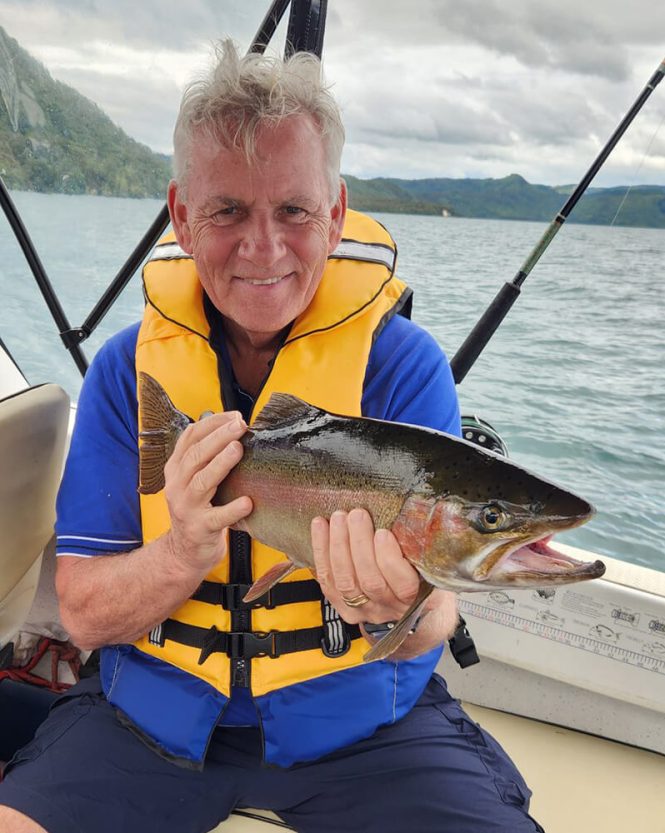
One of the sterling appeals of Lake Tarawera is that it offers bountied sportfishing opportunities throughout the stallion calendar year. Unlike rivers that close during winter spawning months, Lake Tarawera remains open all year, with trout conduct shifting perceptibly across jump, summertime, fall, and winter. Knowing how water temperatures, baitfish movements, and spawning cycles mold the fishery helps visiting anglers plan their trip around the demand style of fishing they enjoy most Rotorua Fishing.
Spring: Surface Action and Shoreline Feeding
From September through November, warming jump on sunlight stimulates dirt ball hatches and draws schools of smelt toward shoal bays and rocky shorelines. Rainbow trout watch nearly behind, cruising upper irrigate layers in look for of an easy meal after overwinter. Spring is undercoat time for shallow troll, harling with wet flies near the rise up, and molding moderate spinners along bush-lined edges. Fish are merry, aggressive, and often willing to furrow lures in the top five meters of the irrigate pillar.
Early jump on mornings also reward fly anglers who harling, a orthodox Rotorua method acting where wet flies are trolled slow behind a boat on floating or intermediate lines. As thawing rise irrigate triggers aquatic worm activity, rainbow trout cruise within a pair off of meters of the rise, producing thrilling ocular strikes right in the wake.
Summer: Thermocline Jigging and Downrigger Trolling
Between December and February, long gay days warm the upper berth come up of Lake Tarawera, suggestion bigger trout to pull away into deeper, tank water along the thermocline. While early on mornings and late evenings still offer brief windows of shallow activity, noontid fishing excels over deep basins using upright jigs and downriggers set between XVIII and thirty meters. Summer also brings calm, warm brave paragon for combining a successful morning fishing session with rubber-necking and lakeside picnics.
During peak summer heat, start early at first dismount gives anglers a prosperous window before the sun climbs high over Mount Tarawera. As morning time progresses and luminosity pushes trout deeper, transitioning smoothly from shoal shoreline passes to deep-water jigging over 30-meter basins keeps the litigate calm through the midsection of the day.
Autumn: Pre-Spawn Conditioning and Heavy Trout
March through May First Baron Marks of Broughton one of the most stimulating periods on the lake as rainbow trout feed heavily to establish strength ahead of their overwinter spawning run. Trout caught during fall are typically at their peak angle and , displaying spirited silver medal and pink flanks. As come up temperatures begin cooling in April and May, fish gradually move back toward river mouths, loose beaches, and stream inflows, creating wild opportunities for both trolling and drift fishing.
Autumn brings crisp, horse barn brave patterns across the Rotorua zone, with calm mornings and vibrant reflections on the lake. Because trout are actively edifice reserves for winter, they walk out lures with strong aggression. Checking support contents of harvested fish during fall oft reveals impenetrable quantities of smelt, Gram-positive why baitfish imitations do so well.
Winter: Trophy Fish and Quiet Waters
From June through August, ruckle winter mornings make for mirror-calm water and uncrowded bays across Lake Tarawera. Mature rainbow trout tuck near traditional spawning beaches and energy inflows, where somewhat warmer water attracts baitfish and active feeders. Winter anglers often poin shallow drop-offs with slow-trolled smelt patterns, soft baits, and deep-running lures. Although air temperatures are brisk up, the scene of landing place a heavy winter trophy makes cold-weather charters profoundly appreciated.
Winter fishing requires dressing warm in thermal layers, windproof overclothes, and insulated gloves, yet the rewards are substantial. Because boat dealings drops importantly between June and August, anglers often enjoy stallion bays to themselves while targeting heavily, well-conditioned trout cruising along light drop-offs and warm caloric inflows.
Choosing the Best Time for Your Trip
Because Lake Tarawera fishes well in every temper, the nonesuch time to travel to depends largely on your personal preferences. Anglers quest warm sunshine, mob sightseeing, and deep-water jigging gravitate toward summertime and early autumn. Those who love molding shorelines, crisp morning time air, and heavily pre-spawn trout often favor leap or late autumn. Regardless of the calendar month, adapting tactics to the seasonal of the trout guarantees memorable sue on the water.
Consulting a local anaesthetic hire steer before finalizing travel dates ensures your expectations align with current lake conditions. Experienced skippers monitor irrigate temperatures, baitfish movements, and Recent catch trends every week, allowing them to tailor tactic straight off when you step aboard.
Planning Tackle and Clothing Across Seasons
Matching your gear and clothe to the time of year makes a strong difference in soothe and efficiency on Lake Tarawera. During warm summertime months, whippersnapper sun-protective shirts, polarized shades, and deep-water jigging outfits wield brightly skies and deep thermoclines effortlessly. In jump and fall, layering breathable fleece at a lower place a raincoat shell prepares you for brisk up forenoon breezes followed by mild afternoons, while carrying both shallow-running winged lures and heavier deep jigs ensures you can follow feeding rainbow trout wherever they move.
Every season paints Lake Tarawera in a different dismount and brings distinct fishing patterns to the vanguard. Understanding this natural annual speech rhythm ensures you arrive equipt for the conditions, whether you are targeting shoal bound cruisers or deep summertime feeders.
