
 AsimAli
Acne scars can affect more than the appearance of your skin. They may influence confidence, make people feel uncomfortable in social situations, and encourage them to look for effective ways to achieve smoother skin. Fortunately, modern dermatology offers several treatments that can reduce the appearance of acne scars, including chemical peels, microneedling, laser procedures, and other specialized techniques. However, not every treatment is suitable for every person. 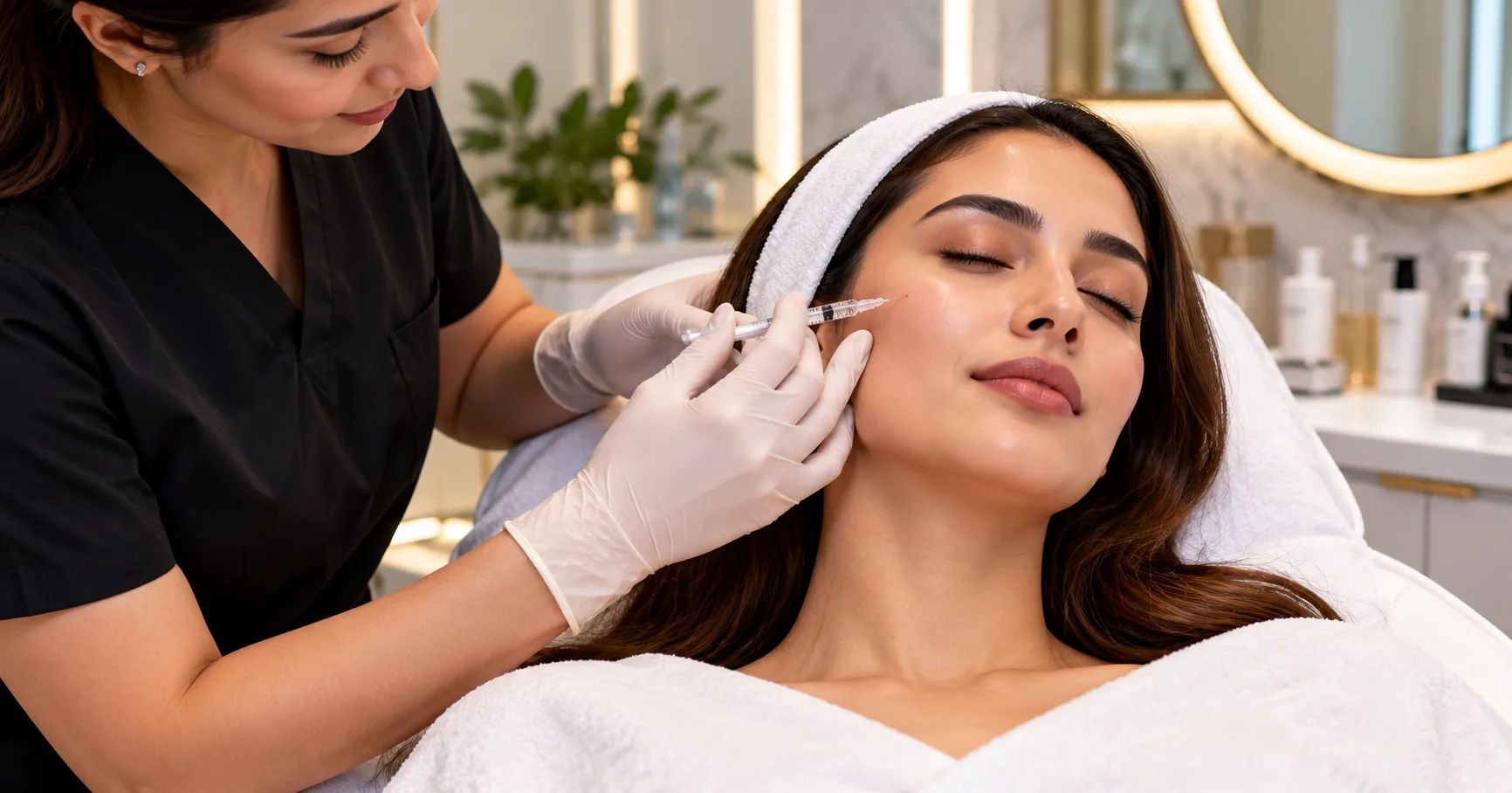 Before choosing a procedure, it is important to understand your skin type, the kind of scars you have, and your medical history. These factors can influence how your skin responds to treatment and how long recovery takes. Professional guidance is especially valuable for people with sensitive skin, active acne, or a tendency to develop dark spots after irritation.
When considering acne scar treatment in Karachi, patients should understand that safety depends on choosing the right procedure, using appropriate equipment, and receiving care from a qualified dermatologist. Karachi has clinics offering different approaches to scar reduction, but the best option is not necessarily the most expensive or advanced procedure. It is the one that suits your individual skin condition and provides a reasonable balance between improvement and risk.
This comprehensive guide explains whether acne scar treatments are safe for different skin types, which procedures may be appropriate, what risks to consider, and how to prepare for treatment. With the right information, you can make a more confident decision about improving your skin.
Different Skin Types and Acne Scars
Before selecting a treatment, you need to understand how your skin behaves and what type of acne scars you have. Both factors help determine which procedures are likely to be effective and safe acne scar treatment in Karachi .
Normal Skin
Normal skin generally has a balanced level of oil and moisture. It may tolerate certain dermatological procedures relatively well when they are performed correctly.
However, normal skin is not automatically protected against irritation, burns, infection, or pigmentation changes. A dermatologist must still evaluate the condition of your skin before recommending treatment.
Oily and Acne-Prone Skin
Oily skin produces more sebum, which can contribute to clogged pores and acne breakouts. People with this skin type may develop scars after severe or persistent inflammation.
Treating existing scars while acne remains active can be challenging. New breakouts may produce additional marks, so a dermatologist may recommend controlling acne before beginning an intensive scar-reduction procedure.
Dry and Sensitive Skin
Dry skin may have a weakened protective barrier, making it more vulnerable to irritation, redness, and peeling. Sensitive skin can also react strongly to certain skincare ingredients and cosmetic procedures.
These patients may benefit from gentler treatment options, careful preparation, and a slower treatment schedule. A patch test or preliminary assessment may be appropriate for selected treatments.
Combination Skin
Combination skin usually has oily areas, particularly around the forehead, nose, and chin, alongside drier areas on the cheeks.
Treatment should account for these differences. A dermatologist may adjust the procedure, skincare products, or aftercare recommendations according to the condition of different facial areas.
Common Acne Scars
Acne scars are not all alike. Identifying the specific type is essential because treatments that improve one type may have limited effects on another.
-
Ice-pick scars: Narrow, deep indentations that extend into the skin.
-
Boxcar scars: Broad depressions with clearly defined edges.
-
Rolling scars: Uneven depressions that create a wavy appearance.
-
Raised scars: Thickened areas caused by excess scar tissue.
-
Post-acne dark marks: Flat brown, grey, or reddish marks that remain after inflammation. These are not necessarily true scars.
A dermatologist can distinguish between permanent textural changes and temporary discoloration. This distinction helps prevent unnecessary procedures and supports better treatment planning.
Is Acne Scar Treatment Safe for Every Skin Tone?
Acne scar treatment can be safe for many different skin tones, but the procedure must be selected carefully. Skin tone is particularly important when considering lasers, chemical peels, and other treatments that create controlled injury or inflammation.
Treating Fair Skin
Fair skin may respond well to several scar-reduction procedures, depending on the scar type and overall skin health.
However, lighter skin can still experience redness, burns, irritation, and temporary or permanent pigmentation changes. A careful assessment remains necessary even when the risk of certain pigmentary complications is relatively low.
Treating Medium and Olive Skin
Medium and olive skin tones can develop post-inflammatory hyperpigmentation after acne, irritation, or cosmetic procedures.
This means that a treatment intended to improve scars may cause dark marks if it creates excessive inflammation. Conservative settings, appropriate preparation, and careful sun protection can help reduce this risk.
Treating Darker Skin
People with darker skin tones often need additional consideration when choosing procedures that use heat, strong chemical agents, or aggressive resurfacing techniques.
Some laser treatments can trigger hyperpigmentation or, less commonly, lighter patches of skin. Certain devices and treatment settings may be safer than others, but no procedure is completely risk-free.
An experienced dermatologist should consider the patient's skin tone, history of pigmentation changes, and response to previous treatments before selecting a device.
For many patients, the goal is to improve scars without creating new discoloration. This requires realistic expectations and a treatment plan that prioritizes skin safety rather than aggressive results.
Which Acne Scar Treatments Are Generally Considered Safe?
Several procedures can improve acne scars when selected appropriately. Each works differently and carries its own benefits, limitations, and risks.
Microneedling
Microneedling uses small, sterile needles to create controlled micro-injuries in the skin. These stimulate the healing process and encourage collagen production, which can gradually improve some depressed scars.
It may be suitable for several skin tones when performed by a trained professional using appropriate equipment and settings.
Possible side effects include redness, swelling, discomfort, infection, and changes in pigmentation. The risk of complications increases when equipment is contaminated, the skin is treated too aggressively, or aftercare instructions are ignored.
People with active acne, skin infections, or certain inflammatory skin conditions may need to postpone treatment.
Fractional Laser Treatment
Fractional lasers create tiny treatment zones in the skin to stimulate collagen remodeling and improve texture. Different devices use different methods, including ablative and non-ablative approaches.
Ablative lasers remove or damage portions of the skin's surface, while non-ablative lasers generally heat deeper tissue without removing the entire surface layer.
The choice depends on scar depth, skin tone, recovery time, and the patient's tolerance for risk. Some fractional lasers can produce meaningful improvements, but stronger procedures usually involve more downtime and may carry a greater risk of pigmentation changes.
Patients with darker skin should discuss device selection and conservative treatment settings with a dermatologist experienced in treating their skin tone.
Chemical Peels
Chemical peels use controlled chemical solutions to remove or loosen layers of damaged skin. They may help improve certain superficial scars, uneven texture, and post-acne pigmentation.
Light peels generally involve less downtime than medium or deep peels. However, stronger formulations can cause burns, prolonged irritation, scarring, or unwanted changes in skin color if used incorrectly.
A peel should be chosen according to the patient's skin condition and the problem being treated. Deep acne scars usually require more than a superficial peel alone.
Avoid applying strong professional-strength acids at home without appropriate medical guidance.
Subcision
Subcision is a procedure used to treat selected depressed acne scars, particularly rolling scars. A dermatologist inserts a specialized needle beneath the scar to release fibrous bands that pull the skin downward.
The procedure may improve the appearance of tethered scars and can sometimes be combined with other treatments.
Bruising, swelling, pain, bleeding, infection, and changes in pigmentation are possible complications. It is not appropriate for every scar type and requires a practitioner with relevant training.
Fillers
Certain dermal fillers can temporarily raise depressed acne scars by adding volume beneath the skin.
They may be useful for selected patients who want a relatively immediate improvement. However, results vary, and fillers do not permanently remove scar tissue.
Possible complications include swelling, bruising, lumps, infection, and, rarely, serious vascular complications. Only appropriately trained medical professionals should perform these injections.
Treatment for Raised Scars
Raised scars may require a different approach, such as corticosteroid injections, selected laser procedures, or other specialist treatments.
Some raised scars extend beyond the original acne injury and behave like keloids. These require careful management because they may recur after treatment.
A procedure designed for depressed scars is unlikely to be the best choice for raised scars. Correct diagnosis is therefore essential.
How to Choose Acne Scar Treatment in Karachi Safely
Selecting the right clinic and practitioner is just as important as choosing the procedure itself. Even a well-established treatment can cause complications when performed without proper assessment.
Check the Dermatologist's Qualifications
Look for a qualified dermatologist with appropriate registration, training, and experience in acne scar management.
Ask whether the practitioner regularly treats your particular scar type and skin tone. Experience with darker skin can be especially important when evaluating treatments that may cause pigmentation changes.
You should feel comfortable asking questions about the procedure, its limitations, and possible complications.
Ask About the Equipment and Treatment Method
Different devices and techniques produce different effects. A clinic should be able to explain which device or procedure it recommends and why it is appropriate for your skin.
For laser procedures, ask about the type of laser, its intended purpose, and how the settings will be adjusted to your needs.
For microneedling, confirm that sterile, single-use needle cartridges are used where appropriate and that equipment is handled according to infection-control standards.
Request an Individual Consultation
A responsible practitioner should examine your skin before recommending a treatment package.
The consultation should cover your acne history, current medications, previous procedures, tendency to develop dark marks, and any history of abnormal scarring.
The dermatologist should also explain whether your acne needs treatment before scar procedures begin.
Avoid clinics that promise flawless skin, guarantee permanent results, or recommend expensive packages without explaining the reasoning behind them.
The Total Cost
The cheapest procedure is not always the safest or most effective. A low price may not include follow-up appointments, necessary medication, or appropriate aftercare.
Compare the practitioner's qualifications, treatment method, safety standards, and follow-up support rather than choosing solely on price.
A clear treatment plan should explain the expected number of sessions, likely recovery period, and possible additional expenses.
Who Should Be More Careful Before Treatment?
Although many people can receive acne scar treatments, some circumstances require additional evaluation or a delay.
People With Active Acne
Severe or inflamed acne can increase the risk of irritation and may lead to new scars after treatment.
A dermatologist may first recommend medication or skincare to control breakouts. Once acne is better managed, scar procedures can be planned more effectively.
Some treatments may still be appropriate for selected patients with mild acne, but this decision should be individualized.
People With a History of Keloids
Individuals who develop thick, raised scars after minor injuries may have an increased risk of abnormal scarring after certain procedures.
They should disclose this history during the consultation. The dermatologist may avoid particular treatments or recommend alternatives with a more suitable risk profile.
People Taking Certain Medications
Some medications can affect skin healing, sensitivity, or bleeding risk.
For example, isotretinoin use requires an individualized discussion before procedures such as aggressive resurfacing or certain surgical treatments. The safest timing depends on the procedure and the patient's circumstances; a blanket rule to delay every procedure for the same period is not appropriate.
Do not stop prescribed medication on your own. Discuss the medication and treatment plan with your dermatologist.
People With Skin Infections or Irritation
Cold sores, bacterial infections, open wounds, and active inflammatory skin conditions may make certain procedures unsuitable until the problem is controlled.
Tell your dermatologist about any current symptoms before treatment. Postponing a procedure can be safer than treating compromised skin.
Pregnant or Breastfeeding Patients
Some cosmetic procedures and topical ingredients may need to be avoided or postponed during pregnancy or breastfeeding.
The decision depends on the specific procedure, medication, and individual circumstances. Patients should tell their dermatologist if they are pregnant, planning pregnancy, or breastfeeding.
What Happens During a Typical Treatment Plan?
A safe approach usually involves several steps rather than a single procedure.
Step 1: Skin Assessment
The dermatologist evaluates your scars, skin tone, skin sensitivity, active acne, and medical history. Photographs may be taken to document the starting condition and compare progress later.
Step 2: Choosing the Right Procedure
The practitioner recommends a treatment based on the scar type and your goals. You should understand why the procedure is being suggested and what alternatives are available.
Some patients benefit from one treatment method, while others need a combination of procedures performed in stages.
Step 3: Preparing the Skin
Preparation may include gentle cleansing, controlling active acne, and using selected skincare products. Depending on the procedure, the dermatologist may recommend temporarily avoiding retinoids, exfoliating acids, or other irritating products.
Follow the instructions provided for your specific treatment rather than using a general preparation routine.
Step 4: Performing the Procedure
The duration and level of discomfort depend on the treatment. Topical anesthetic may be used for certain procedures, while others require little or no pain control.
The practitioner should maintain appropriate hygiene, explain the process, and monitor your skin's response.
Step 5: Follow-Up and Evaluation
After the procedure, the dermatologist checks healing and determines whether another session is appropriate.
Some scars improve gradually over several months as collagen remodels. Treatment should be adjusted if healing is delayed or unexpected side effects occur.
Aftercare Tips for Safer Results
Aftercare has a major influence on recovery and can help lower the risk of complications.
Protect Your Skin From Sunlight
Sun exposure can worsen post-inflammatory hyperpigmentation, particularly after procedures that temporarily weaken the skin barrier.
Use a broad-spectrum sunscreen with SPF 30 or higher, following your dermatologist's instructions. Reapply as directed, wear a hat when outdoors, and seek shade during intense sunlight.
Because Karachi can experience strong sunlight and high temperatures, consistent sun protection is especially important during recovery.
Keep Your Skincare Routine Gentle
Use a mild cleanser and a moisturizer suitable for your skin. Avoid harsh scrubs, unnecessary exfoliation, and fragranced products if your skin is irritated.
Your dermatologist may recommend pausing active ingredients such as retinoids, benzoyl peroxide, or exfoliating acids until the skin has recovered sufficiently.
Resume products only according to the advice provided for your procedure.
Avoid Picking or Scratching
Peeling, mild redness, and small crusts may occur after certain treatments. Picking at the skin can delay healing and increase the risk of infection, scarring, and pigmentation changes.
Allow the skin to recover naturally and follow the recommended cleansing routine.
Recognize Warning Signs
Some redness and swelling may be expected, depending on the procedure. However, worsening pain, spreading redness, pus, fever, blistering, or unusual skin discoloration should not be ignored.
Contact your treating practitioner promptly if these symptoms occur. Severe pain, rapidly worsening swelling, or other signs of a serious reaction may require urgent medical assessment.
How Many Sessions Are Needed for Visible Improvement?
The number of sessions depends on the scar type, treatment method, skin response, and severity of the problem.
Some patients notice early changes after one session, while others require several treatments spaced weeks apart. Deep or long-standing scars often need a combination of approaches.
Microneedling, fractional lasers, and other collagen-stimulating procedures generally produce gradual improvements rather than immediate results. Collagen remodeling continues after the procedure, so the full effect may take months to assess.
It is also important to understand that complete scar removal is not always possible. A realistic goal is to reduce the depth of scars, improve skin texture, and make discoloration less noticeable.
Before starting, ask your dermatologist what degree of improvement is reasonable in your case and when results should be evaluated.
Common Mistakes to Avoid
Several mistakes can increase risks or lead to disappointing results.
-
Choosing a procedure based only on price: Safety, training, equipment, and follow-up care matter more than a discount.
-
Expecting immediate perfection: Most scar treatments improve the skin gradually, and results vary.
-
Treating active acne without a plan: Uncontrolled breakouts can create additional scars.
-
Using strong products without guidance: Excessive exfoliation and unapproved combinations may damage the skin barrier.
-
Ignoring sun protection: UV exposure can make post-treatment pigmentation more noticeable.
-
Booking too many sessions too quickly: Skin needs time to recover, and repeated aggressive treatments may increase complications.
-
Trusting guaranteed claims: No ethical practitioner can promise identical results for every patient.
Making informed decisions can help you avoid unnecessary expenses and protect your skin throughout the treatment process.
Conclusion
Acne scar treatments can be safe and effective for many people, but no single procedure is suitable for every skin type, skin tone, or scar pattern. The safest option depends on the condition of your skin, the depth and shape of your scars, your medical history, and the experience of the practitioner performing the treatment.
When exploring acne scar treatment in Karachi, begin with a consultation with a qualified dermatologist rather than selecting a procedure based on advertisements or price alone. Ask about the benefits, risks, recovery time, expected number of sessions, and alternatives available for your particular skin.
People with darker skin tones, sensitive skin, active acne, a history of keloids, or medication-related concerns may need additional precautions. Microneedling, fractional lasers, chemical peels, subcision, fillers, and treatments for raised scars can all have a role, but each must be matched to the patient's needs.
You can also support safer results by following professional aftercare instructions, using sunscreen, keeping your skincare routine gentle, and attending follow-up appointments. If you experience unusual pain, worsening redness, signs of infection, or unexpected pigmentation changes, seek medical advice promptly.
Ultimately, acne scar treatment in Karachi should focus on gradual improvement, realistic expectations, and long-term skin health. With careful assessment, appropriate treatment selection, and consistent aftercare, many people can achieve smoother-looking skin while minimizing avoidable risks.

 ahead_time