
 AsimAli
Storms can leave behind serious destruction that is not always visible at first glance. Heavy rain, hail, strong winds, and flooding can weaken the foundation, roof, walls, and support systems of a building.
Many homeowners only notice problems after the damage becomes severe and expensive to repair. That is why learning how to identify warning signs early is so important.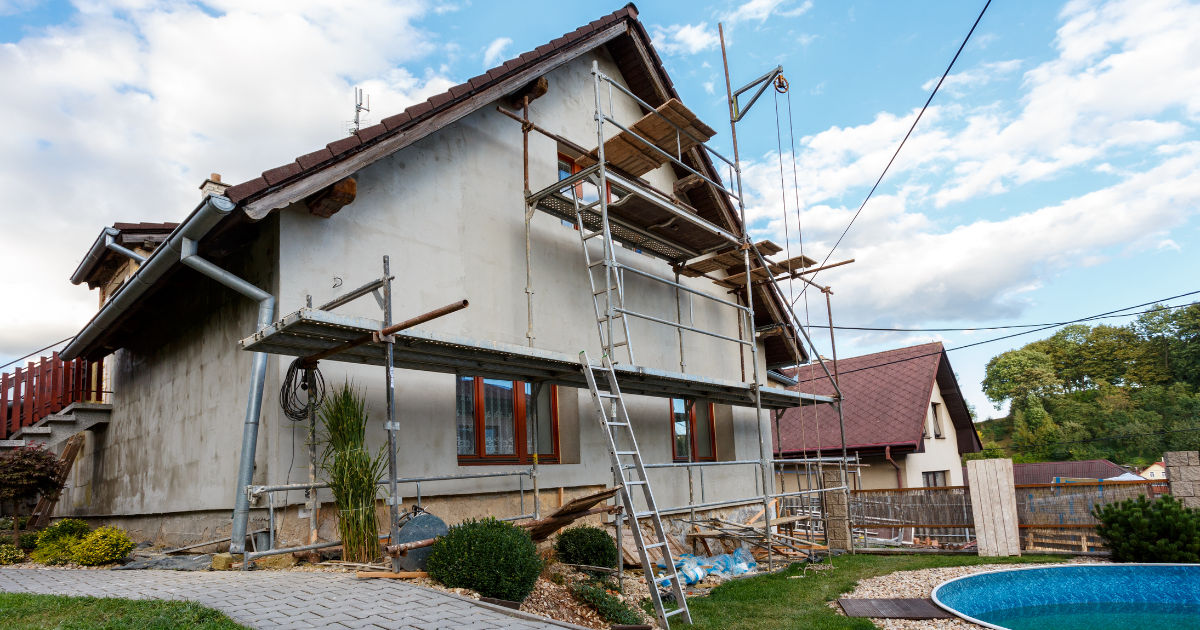
Structural storm damage repairs are essential for protecting the safety, value, and lifespan of a property. Ignoring small cracks, leaks, or shifts can lead to much larger structural problems over time. In many cases, early detection saves thousands of dollars in future repair costs.
This guide explains everything homeowners need to know about identifying damage quickly, understanding common warning signs, and knowing when professional help is necessary. By recognizing issues early, you can protect your home and prevent hidden storm damage from getting worse.
Why Early Detection Matters
Storm damage does not always appear immediately. Some problems develop slowly over weeks or months. Water may seep into hidden areas, wood may begin to rot, and foundations may shift due to heavy rainfall.
When homeowners delay action, damage spreads deeper into the structure. Roof leaks can damage ceilings and insulation. Foundation cracks can weaken walls and floors. Mold growth can also become a health hazard.
Early Structural storm damage repairs help homeowners:
- Reduce long-term repair costs
- Prevent dangerous structural failures
- Maintain property value
- Improve home safety
- Avoid mold and moisture problems
- Protect insurance claims
Catching problems early also makes repairs easier and faster.
Common Types of Structural Storm Damage
Different storms create different kinds of structural issues. Understanding these types can help homeowners inspect their property more effectively.
Wind Damage
Strong winds can remove roofing materials, damage siding, and weaken support structures. Flying debris may also crack windows or walls.
Signs include:
- Missing shingles
- Bent gutters
- Loose siding
- Cracked exterior walls
- Leaning fences or structures
Water Damage
Heavy rain and flooding often create hidden structural issues. Water weakens wood, drywall, and concrete over time.
Common warning signs include:
- Damp walls
- Ceiling stains
- Musty odors
- Warped flooring
- Foundation cracks
Hail Damage
Hailstorms can damage roofs, windows, siding, and outdoor structures.
Look for:
- Dented roofing
- Broken shingles
- Cracked windows
- Paint damage
- Damaged gutters
Lightning Damage
Lightning can affect electrical systems and even weaken structural materials.
Possible signs include:
- Burn marks
- Electrical failures
- Cracked masonry
- Fire damage
Flood Damage
Flooding can severely affect a building’s foundation and support systems.
Watch for:
- Shifting foundations
- Soil erosion
- Cracked walls
- Rotting wood
- Mold growth
Understanding these risks helps homeowners recognize when Structural storm damage repairs may be needed.
Early Warning Signs of Structural Damage
Many homeowners overlook minor problems after storms. However, small warning signs often indicate deeper structural concerns.
Cracks in Walls and Ceilings
One of the most common signs of structural problems is cracking.
Small hairline cracks may not be serious, but larger or growing cracks can indicate movement within the structure.
Pay attention to:
- Horizontal cracks
- Stair-step cracks in brick walls
- Ceiling separations
- Expanding drywall cracks
These issues often signal foundation movement caused by storms or water intrusion.
Uneven Floors
If floors suddenly become sloped or uneven after a storm, structural shifting may have occurred.
You may notice:
- Difficulty opening doors
- Furniture tilting
- Bouncy flooring
- Gaps beneath baseboards
These are common indicators that Structural storm damage repairs should be evaluated immediately.
Sticking Doors and Windows
Storm-related foundation movement can shift door and window frames.
Signs include:
- Doors rubbing against frames
- Windows that no longer open smoothly
- Visible frame gaps
- Misaligned locks
These problems often appear after heavy rainfall or flooding.
Roof Sagging
A sagging roof is a serious structural warning sign.
Possible causes include:
- Water saturation
- Damaged rafters
- Weakened supports
- Heavy debris impact
If left untreated, roof collapse may occur.
Water Stains
Brown or yellow ceiling stains often indicate hidden roof leaks.
Water intrusion can weaken:
- Wood framing
- Insulation
- Drywall
- Ceiling joists
Immediate Structural storm damage repairs help stop further deterioration.
Exterior Wall Movement
Walls that bulge, lean, or separate from the structure may indicate serious storm damage.
This issue can result from:
- Soil shifting
- Foundation instability
- Water pressure
- Wind stress
Professional inspection is critical in these cases.
How Storms Affect Foundations
The foundation supports the entire structure of a building. Storms often damage foundations through water saturation and soil movement.
Soil Expansion and Contraction
Heavy rainfall changes soil moisture levels.
When soil absorbs water, it expands. During dry periods, it shrinks again. This constant movement places pressure on foundations.
Over time, this leads to:
- Cracks
- Uneven settling
- Wall movement
- Floor instability
Flood Pressure
Floodwater creates hydrostatic pressure around foundations.
This pressure may cause:
- Basement wall cracks
- Water seepage
- Foundation shifting
- Structural weakening
Early Structural storm damage repairs reduce the risk of major foundation failure.
Roof Inspection After a Storm
The roof is often the first area affected during severe weather. Even small roof problems can lead to serious structural issues.
Check for Missing Shingles
Missing shingles expose the roof deck to moisture.
Signs include:
- Bare roof patches
- Curling shingles
- Loose materials
- Granule buildup in gutters
Inspect Flashing
Flashing seals roof edges, vents, and chimneys.
Damaged flashing may allow water to enter hidden areas.
Look for Sagging Areas
Sagging rooflines indicate weakened support structures.
This problem requires immediate Structural storm damage repairs to avoid collapse.
Examine Gutters
Clogged or detached gutters can redirect water toward the foundation.
Look for:
- Loose fasteners
- Overflowing gutters
- Cracks
- Water pooling
Proper drainage is essential for preventing structural damage.
Signs of Hidden Water Damage
Water damage is one of the most dangerous storm-related problems because it often remains hidden.
Musty Odors
Persistent damp smells may indicate trapped moisture inside walls or ceilings.
Mold Growth
Mold spreads quickly in damp environments.
Common locations include:
- Basements
- Attics
- Behind drywall
- Under flooring
Peeling Paint
Water trapped inside walls often causes paint or wallpaper to bubble and peel.
Soft Drywall
Press gently on suspicious wall areas. Softness may indicate internal water damage.
Early Structural storm damage repairs prevent moisture from spreading further.
Exterior Areas to Inspect
Storms impact more than just the inside of a home.
Siding Damage
Cracked or loose siding allows water intrusion.
Chimney Cracks
Strong winds and shifting foundations may damage chimneys.
Inspect for:
- Leaning
- Loose bricks
- Mortar cracks
Deck and Porch Movement
Wooden structures weaken after prolonged water exposure.
Check for:
- Rotting wood
- Loose supports
- Wobbling rails
Tree Damage
Fallen trees and branches may damage roofs, siding, or foundations.
Even nearby root damage can affect structural stability.
Why Professional Inspections Are Important
Some storm damage is impossible to identify without professional equipment and training.
Experts performing Structural storm damage repairs use specialized tools to detect:
- Hidden moisture
- Foundation shifts
- Roof instability
- Internal structural damage
Professional inspections provide detailed reports that help homeowners make informed decisions.
How Insurance Companies Handle Storm Damage
Insurance claims often depend on proper documentation and early reporting.
Document Everything
Take clear photos of:
- Roof damage
- Cracks
- Flooding
- Water stains
- Fallen debris
Save Repair Records
Keep all receipts and inspection reports related to Structural storm damage repairs.
Contact Your Insurance Company Quickly
Delays may reduce claim approval chances.
Understand Coverage Limits
Some policies may exclude:
- Flood damage
- Wear and tear
- Poor maintenance
Reading your policy carefully is essential.
Temporary Safety Measures After a Storm
Before full repairs begin, homeowners should take steps to reduce further damage.
Tarp Damaged Roofs
Temporary tarps help prevent water intrusion.
Remove Standing Water
Floodwater should be removed immediately to reduce mold growth.
Turn Off Electricity if Necessary
Water near electrical systems creates serious hazards.
Avoid Unsafe Areas
Collapsed ceilings or leaning walls should never be entered without professional approval.
These temporary actions help reduce the scope of future Structural storm damage repairs.
Long-Term Prevention Strategies
Preventing future storm damage is just as important as repairing existing problems.
Improve Drainage
Good drainage reduces foundation stress.
Methods include:
- Installing French drains
- Cleaning gutters regularly
- Extending downspouts
- Grading soil away from the home
Reinforce Roofing
Impact-resistant roofing materials provide better storm protection.
Seal Foundation Cracks
Small cracks should be sealed before they expand.
Trim Trees
Removing weak branches reduces storm-related impact risks.
Schedule Annual Inspections
Routine inspections help identify problems before they become severe.
Consistent maintenance reduces the need for costly Structural storm damage repairs later.
Common Mistakes Homeowners Make
Many homeowners accidentally worsen storm damage through delayed action or poor decisions.
Ignoring Minor Damage
Small cracks and leaks often grow into major structural problems.
Waiting Too Long for Repairs
Delays allow moisture and structural movement to spread.
Hiring Unqualified Contractors
Poor workmanship may create additional damage.
Always verify:
- Licensing
- Insurance
- References
- Certifications
Skipping Inspections
Even if damage seems minor, hidden issues may exist.
Professional assessments are critical after major storms.
How Structural Repairs Are Performed
Understanding the repair process helps homeowners know what to expect.
Foundation Repairs
Methods may include:
- Pier installation
- Slab lifting
- Crack injection
- Drainage correction
Roof Repairs
Roof repairs often involve:
- Replacing shingles
- Reinforcing decking
- Repairing rafters
- Installing new flashing
Wall Reinforcement
Structural walls may require:
- Steel supports
- Masonry repair
- Reframing
- Waterproofing
Water Damage Restoration
This process may involve:
- Drying equipment
- Mold removal
- Material replacement
- Moisture sealing
Professional Structural storm damage repairs focus on restoring both safety and stability.
The Cost of Delaying Repairs
Waiting too long can dramatically increase repair expenses.
For example:
- A small roof leak may eventually require full roof replacement
- Minor foundation cracks may lead to major structural stabilization
- Hidden moisture may cause extensive mold remediation
Delays can also lower property value and create safety risks.
Prompt action protects both finances and family safety.
How Climate Change Increases Storm Damage Risks
Severe weather events are becoming more frequent in many areas.
Stronger storms create:
- Increased flooding
- Higher wind speeds
- Larger hailstorms
- Greater structural stress
As weather patterns become more intense, homeowners should remain proactive about inspections and maintenance.
Regular Structural storm damage repairs are becoming increasingly important for long-term property protection.
Choosing the Right Repair Contractor
Selecting a qualified contractor is one of the most important decisions homeowners make after storm damage.
Look for Experience
Choose contractors with proven experience handling storm-related structural work.
Verify Insurance and Licensing
Licensed professionals provide better protection and accountability.
Read Reviews
Customer reviews often reveal service quality and reliability.
Request Written Estimates
Detailed estimates help avoid unexpected costs.
Avoid Storm Chasers
Some dishonest contractors appear after storms and disappear quickly.
Research companies carefully before signing contracts for Structural storm damage repairs.
Warning Signs That Require Immediate Attention
Some structural problems should never be ignored.
Call professionals immediately if you notice:
- Large foundation cracks
- Roof collapse risk
- Leaning walls
- Severe flooding
- Electrical hazards
- Major ceiling sagging
These issues may create life-threatening conditions.
Creating a Storm Damage Checklist
A checklist helps homeowners inspect their property systematically after storms.
Exterior Checklist
- Roof condition
- Gutters and downspouts
- Siding
- Windows
- Foundation cracks
- Tree damage
Interior Checklist
- Ceiling stains
- Wall cracks
- Flooring changes
- Mold odors
- Door alignment
- Water intrusion
Routine inspections improve early detection and reduce the need for extensive Structural storm damage repairs.
Benefits of Fast Structural Repairs
Quick repairs provide many long-term benefits.
Improved Safety
Stable structures protect occupants from accidents and collapse risks.
Lower Costs
Early intervention prevents widespread damage.
Better Home Value
Well-maintained homes retain higher market value.
Reduced Stress
Addressing problems early avoids emergency situations later.
Insurance Support
Timely repairs often simplify insurance claims.
Homeowners who act quickly typically experience fewer long-term complications.
Conclusion
Storm damage can affect every part of a home, from the roof to the foundation. Unfortunately, many structural problems remain hidden until serious damage develops. Learning how to recognize early warning signs is one of the best ways to protect your property and avoid expensive repairs.
Cracks, leaks, uneven floors, sticking doors, and water stains should never be ignored after severe weather. These issues may indicate deeper structural instability that requires immediate attention. Professional inspections play a critical role in identifying hidden damage before it worsens.
Timely Structural storm damage repairs help homeowners maintain safety, preserve property value, and reduce long-term expenses. Preventive maintenance, regular inspections, and fast action after storms can make a significant difference in protecting a home for years to come.
By staying alert and proactive, homeowners can reduce the risks associated with severe weather and ensure their property remains strong, stable, and secure through future storms.
