
 AsimAli
coloring for stress relief has become a widely recognized and simple method for calming the mind, improving focus, and reducing anxiety in both children and adults. 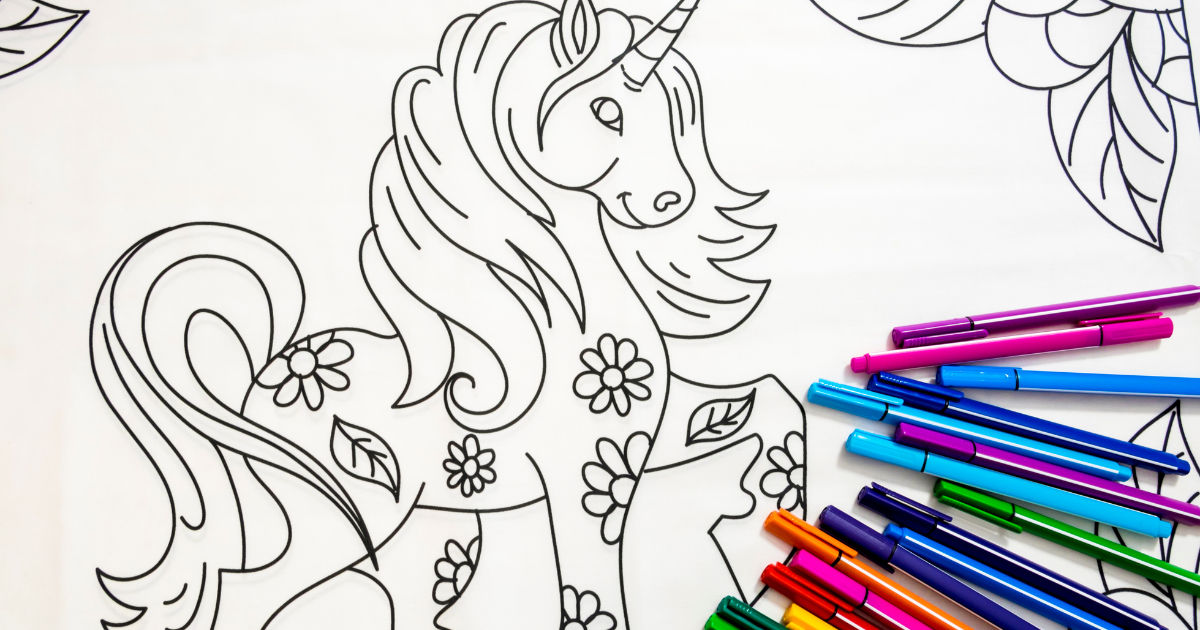 In today’s fast-paced world, many people look for easy and creative ways to relax without needing special skills or expensive tools. This is where coloring for stress relief stands out as a powerful mental wellness activity.
Unlike complex meditation techniques or structured therapy exercises, coloring for stress relief is accessible, enjoyable, and requires very little effort to begin. It engages the brain in a gentle, repetitive task that helps shift attention away from worries and toward a calming creative process.
In this guide, we will explore how coloring for stress relief works, what happens in the brain during coloring, why it reduces anxiety, and how you can use it effectively in daily life.
Stress and the Human Brain
Before understanding coloring for stress relief, it is important to know what stress actually does to the brain.
Stress is the body’s natural response to pressure or danger. When you feel stressed, your brain activates the “fight or flight” response. This involves:
- Increased heart rate
- Faster breathing
- Heightened alertness
- Release of stress hormones like cortisol
While this response is helpful in emergencies, modern stress is often constant and mental rather than physical. This keeps the brain in a prolonged alert state, which can lead to anxiety, fatigue, and difficulty concentrating.
coloring for stress relief helps interrupt this cycle by gently shifting the brain away from stress mode and into a calmer, focused state.
What Is Coloring for Stress Relief?
At its core, coloring for stress relief is the practice of using colors, patterns, and designs to relax the mind. It can involve:
- Mandala coloring books
- Nature-themed drawings
- Abstract patterns
- Digital coloring apps
Unlike artistic painting or drawing from scratch, coloring for stress relief does not require creativity or artistic skill. The structure is already provided—you simply choose colors and fill spaces.
This simplicity is what makes coloring for stress relief so effective for people of all ages.
How Coloring for Stress Relief Works in the Brain
Activating the Relaxation Response
One of the main ways coloring for stress relief works is by activating the parasympathetic nervous system. This system is responsible for “rest and digest” functions, which help the body calm down after stress.
When you engage in coloring for stress relief, your breathing slows, your heart rate decreases, and your muscles begin to relax. This physical shift signals the brain that it is safe to relax.
Reducing Overthinking and Mental Clutter
A major cause of stress is overthinking. The brain constantly processes worries, tasks, and future concerns.
coloring for stress relief helps interrupt this cycle by giving the mind a simple task to focus on. Instead of worrying, your attention shifts to:
- Choosing colors
- Staying within lines
- Creating visual harmony
This focused attention reduces mental noise and allows the brain to rest.
Engaging Both Brain Hemispheres
The brain has two hemispheres:
- Left hemisphere (logic, structure, order)
- Right hemisphere (creativity, imagination)
coloring for stress relief activates both sides at the same time. The structured patterns engage the logical side, while color choice activates creativity.
This balanced activity creates a calming effect and improves emotional regulation.
Psychological Benefits of Coloring for Stress Relief
Reduces Anxiety Symptoms
Studies show that coloring for stress relief can significantly reduce symptoms of anxiety. It works similarly to mindfulness exercises by bringing attention to the present moment.
When you focus on coloring, you are less likely to think about past regrets or future worries.
Improves Emotional Stability
Regular practice of coloring for stress relief can help stabilize emotions. It gives people a healthy outlet to process feelings without needing to express them verbally.
This is especially helpful for individuals who find it difficult to talk about stress or emotions.
Enhances Mindfulness
Mindfulness means being fully present in the moment. coloring for stress relief naturally encourages mindfulness because it requires attention to detail and color selection.
This helps train the brain to stay present instead of drifting into stress-inducing thoughts.
Physical Benefits of Coloring for Stress Relief
Lowers Heart Rate
When someone engages in coloring for stress relief, their heart rate gradually decreases. This is a sign that the body is moving out of stress mode.
Reduces Muscle Tension
Stress often causes tight shoulders, neck pain, and headaches. coloring for stress relief helps relax muscles by calming the nervous system.
Improves Sleep Quality
Many people who practice coloring for stress relief before bed report better sleep. This is because the mind becomes calmer and less active.
A relaxed brain transitions more easily into sleep.
Why Coloring Feels So Calming
Repetitive Motion Effect
The repetitive motion involved in coloring for stress relief creates a rhythm that is soothing for the brain. Similar to walking or knitting, repetition has a calming psychological effect.
Safe Mental Escape
When people engage in coloring for stress relief, they enter a mental “safe space.” It allows them to disconnect from daily pressure without escaping reality completely.
This healthy distraction helps refresh the mind.
Sense of Control
Stress often comes from feeling out of control. With coloring for stress relief, you make simple choices—colors, patterns, shading—that give a sense of control and accomplishment.
Even small decisions can restore confidence and calm.
Different Types of Coloring for Stress Relief
Mandala Coloring
Mandala designs are circular patterns often used in meditation practices. coloring for stress relief using mandalas is especially effective because of their symmetry and repetition.
Nature-Based Coloring
Flowers, trees, animals, and landscapes are common themes. These designs connect the mind with nature, enhancing relaxation during coloring for stress relief.
Abstract Patterns
Abstract shapes allow more freedom. They are great for people who want coloring for stress relief without structured designs.
Digital Coloring Apps
Modern technology allows coloring for stress relief through apps. These offer convenience and portability, making it easy to relax anywhere.
How to Start Coloring for Stress Relief
Choose Simple Materials
You do not need expensive tools. Basic supplies for coloring for stress relief include:
- Coloring pencils
- Markers
- Coloring books or printed pages
Create a Calm Environment
Find a quiet space where you can focus. Soft lighting and calm music can enhance the experience of coloring for stress relief.
Start Without Pressure
There is no right or wrong way to do coloring for stress relief. The goal is relaxation, not perfection.
Let go of expectations and enjoy the process.
When and How Often to Use Coloring for Stress Relief
Daily Practice
Even 15–30 minutes of coloring for stress relief daily can improve mental clarity and reduce stress levels over time.
During Stressful Moments
You can use coloring for stress relief whenever you feel overwhelmed. It acts as a quick reset for the mind.
Before Sleep
Using coloring for stress relief before bedtime helps the brain slow down and prepare for rest.
Scientific Perspective on Coloring for Stress Relief
Research in psychology supports the benefits of coloring for stress relief. Studies have found that it can reduce anxiety levels, especially in adults experiencing high stress.
The act of coloring is similar to meditation because it creates a “flow state,” where the mind becomes fully absorbed in an activity.
During this state, stress hormones decrease while calming neurotransmitters increase.
Common Misconceptions
“It is only for children”
Many people believe coloring for stress relief is childish. In reality, it is widely used in adult therapy and stress management programs.
“It is not a real relaxation method”
Some think coloring for stress relief is too simple to be effective. However, its simplicity is exactly what makes it powerful.
“You must be artistic”
No artistic skill is needed for coloring for stress relief. The purpose is relaxation, not artistic perfection.
Tips to Maximize Benefits
To get the most out of coloring for stress relief, consider the following:
- Avoid distractions like phones
- Focus on slow, steady movements
- Experiment with color combinations
- Use it as a mindful break during the day
- Don’t rush the process
These small habits can increase the calming effects of coloring for stress relief.
Conclusion
coloring for stress relief is a simple yet powerful tool for reducing stress, calming the mind, and improving emotional balance. It works by engaging the brain in a focused, repetitive, and creative activity that shifts attention away from stress and into the present moment.
By activating relaxation responses, lowering heart rate, and reducing overthinking, coloring for stress relief provides both psychological and physical benefits. It is accessible to everyone, requires no special skill, and can be practiced anywhere.
Whether used daily, during stressful moments, or before sleep, coloring for stress relief offers a natural and effective way to restore calm and clarity in everyday life.
In a world filled with constant pressure and distraction, simple activities like coloring for stress relief remind us that peace of mind does not always require complexity—sometimes it begins with just a color and a page.

 ahead_time