
A T shape range hood is one of the most common and stylish kitchen ventilation systems found in modern homes. It sits above your stove and helps remove smoke, grease, and cooking odors.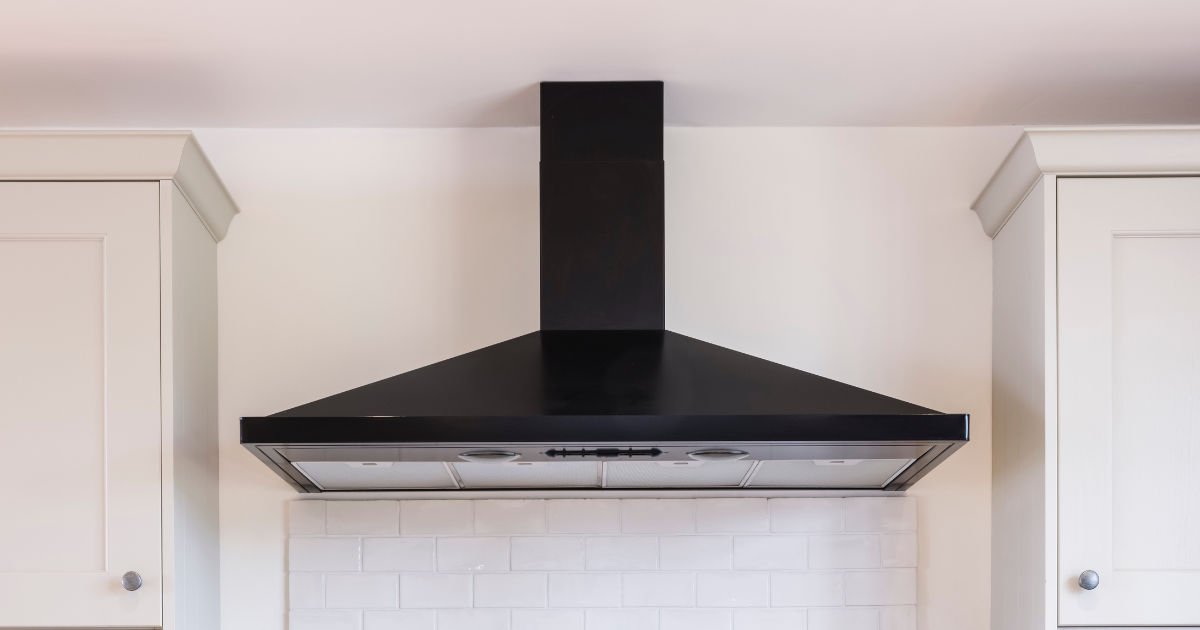
But over time, it collects a lot of grease and dust, especially in busy kitchens where frying and grilling are common.Regular cleaning is not just about appearance—it directly affects performance, air quality, and even safety.
A clogged hood works harder, consumes more electricity, and can become a fire risk if grease builds up inside the filters and ducts.If you are also researching appliances like the Builtron kitchen hood review Pakistan, you may already know how important maintenance is for long-term durability and suction performance.
No matter which brand you use, proper cleaning is essential.This guide will explain step-by-step how to clean a T shape range hood properly, including filters, outer body, fan, and internal components, in a simple way suitable for beginners and students.
Understanding How a T Shape Range Hood Works
Before cleaning, it helps to understand the basic structure.
A T shape hood usually has:
- A stainless steel canopy (outer body)
- Aluminum or stainless steel grease filters
- An internal motor fan
- A chimney duct system
- Control buttons or touch panel
- Optional carbon filters (in recirculating models)
When you cook, the fan pulls air upward. Grease particles get trapped in filters, while air is vented outside or recirculated.
Over time, grease builds up in filters and reduces airflow. That is why cleaning is necessary.
Why Cleaning Your Range Hood Is Important
Many people ignore hood cleaning until performance drops. But regular maintenance has multiple benefits:
1. Better Air Quality
A clean hood removes smoke and odors more effectively.
2. Improved Suction Power
Blocked filters reduce airflow. Cleaning restores full suction.
3. Longer Appliance Life
Motors last longer when they are not overloaded.
4. Fire Safety
Grease is highly flammable. Cleaning reduces fire risk.
5. Energy Efficiency
A clean hood uses less electricity for the same performance.
Even users comparing products like those in a Builtron kitchen hood review Pakistan often notice that maintenance plays a bigger role than brand alone.
Safety Precautions Before Cleaning
Before starting, always follow safety steps:
- Turn off and unplug the hood
- Let it cool completely
- Wear gloves to avoid sharp edges
- Use non-slip footing if working on a stool
- Keep electrical parts dry at all times
Never spray water directly into the motor or switches.
Tools and Cleaning Materials You Need
You don’t need expensive tools. Basic household items work fine:
- Warm water
- Dishwashing liquid or degreaser
- Baking soda
- Soft sponge
- Microfiber cloth
- Old toothbrush
- Bucket or sink
- Dry towel
Optional:
- Vinegar (for heavy grease)
- Screwdriver (for filter removal)
Step-by-Step Cleaning Process
Step 1: Remove the Filters
The filters are the most important part to clean.
- Open the bottom panel of the hood
- Slide or unlock the metal filters
- Remove them carefully
You will likely see thick layers of grease, especially if you cook daily.
Step 2: Soak the Filters
Fill a sink or bucket with:
- Hot water
- 2–3 tablespoons of dish soap
- 1 tablespoon of baking soda
Place filters inside and soak for 15–30 minutes.
For heavy grease buildup, soak for up to 1 hour.
This loosens oil and makes scrubbing easier.
Step 3: Scrub the Filters
After soaking:
- Use a soft brush or toothbrush
- Scrub each section gently
- Focus on corners where grease collects
Avoid using steel brushes, as they can damage the mesh.
Rinse thoroughly with clean water and let them dry.
Step 4: Clean the Hood Exterior
Now move to the outer body.
- Mix warm water with mild detergent
- Dip a microfiber cloth
- Wipe the surface gently
For stainless steel hoods:
- Always wipe in the direction of the grain
- This prevents scratches
If grease is stubborn:
- Apply baking soda paste (baking soda + water)
- Let it sit for 10 minutes
- Wipe clean
Many modern designs reviewed in a Builtron kitchen hood review Pakistan highlight easy-clean stainless steel surfaces, but they still require regular wiping.
Step 5: Clean the Fan Area
This step is more delicate.
- Look inside after removing filters
- You may see fan blades with grease buildup
Use:
- A damp cloth for light cleaning
- A toothbrush for corners
Do NOT soak or spray water inside.
If grease is thick, lightly use a vinegar-damp cloth.
Step 6: Clean the Chimney (Duct Cover)
The chimney is the vertical part of a T shape hood.
- Wipe it from top to bottom
- Use a microfiber cloth with mild soap solution
If accessible:
- Check inside for dust buildup
- Clean gently without disturbing wiring
Step 7: Clean Control Panel
Touch panels or buttons need gentle care:
- Use a slightly damp cloth
- Avoid excess water
- Dry immediately
Never spray liquid directly.
Step 8: Dry Everything Properly
Before reassembling:
- Make sure filters are fully dry
- Ensure no moisture remains in the hood body
- Wipe everything with a dry cloth
Moisture can damage the motor system.
Step 9: Reinstall Filters
Once everything is dry:
- Slide filters back into position
- Lock them properly
- Check stability
Turn on the hood briefly to ensure everything works smoothly.
Deep Cleaning (Once Every 2–3 Months)
Basic cleaning is not enough for long-term use.
Every few months:
- Remove all filters
- Clean fan area more deeply
- Check duct for grease buildup
- Inspect screws and fittings
If your hood is used heavily (daily frying or grilling), deep cleaning may be needed monthly.
Common Mistakes to Avoid
Many people damage their hoods unintentionally. Avoid these mistakes:
1. Using Harsh Chemicals
Bleach or strong acids can damage metal surfaces.
2. Not Drying Properly
Moisture can cause rust or electrical issues.
3. Ignoring Filters
Dirty filters reduce suction significantly.
4. Spraying Water Inside
This can damage the motor.
5. Delaying Cleaning
Grease becomes harder to remove over time.
How Often Should You Clean Your Hood?
Frequency depends on cooking habits:
- Light cooking: every 2–3 weeks
- Moderate cooking: every 1–2 weeks
- Heavy frying: weekly cleaning recommended
Filters should never be left dirty for long periods.
Signs Your Range Hood Needs Cleaning
Watch for these signs:
- Weak suction power
- Grease dripping from filters
- Loud motor noise
- Bad odors staying in kitchen
- Visible oil buildup
If you notice these, immediate cleaning is required.
Maintenance Tips for Long-Term Performance
To keep your hood working efficiently:
- Clean filters regularly
- Wipe exterior after cooking
- Avoid high heat directly under hood
- Turn on hood 1–2 minutes before cooking
- Keep kitchen ventilation balanced
Good maintenance can extend lifespan by several years.
Choosing a Hood That Is Easy to Maintain
When buying a new hood, cleaning convenience matters as much as power.
Look for:
- Removable filters
- Dishwasher-safe parts
- Smooth stainless steel surfaces
- Strong but quiet motor
- Easy-access internal design
Some buyers compare options in a Builtron kitchen hood review Pakistan to evaluate not just suction power but also ease of cleaning and long-term maintenance.
Troubleshooting After Cleaning
Sometimes issues appear after cleaning:
Hood not turning on
- Check power connection
- Ensure control panel is dry
Weak suction
- Filters may not be installed correctly
- Duct may still be blocked
Noise after cleaning
- Filters may be loose
- Fan may have debris
Most issues are simple and fixable.
Conclusion
Cleaning a T shape range hood properly is essential for maintaining kitchen hygiene, appliance performance, and safety. While it may seem like a complicated task, breaking it into steps—filter removal, soaking, scrubbing, exterior cleaning, and careful drying—makes it manageable for anyone.
Regular maintenance ensures strong suction, better air quality, and longer appliance life. Whether you are using a basic model or studying performance through a Builtron kitchen hood review Pakistan, the key takeaway remains the same: even the best kitchen hood needs proper care to perform efficiently.
By following the methods in this guide, you can keep your hood in excellent condition for years and avoid costly repairs or replacements.