
 AsimAli
Hangover IV therapy has gained popularity in recent years as a fast and effective way to recover from the unpleasant effects of alcohol. Many people wonder if they can get hangover IV therapy at home safely, without having to visit a clinic or hospital.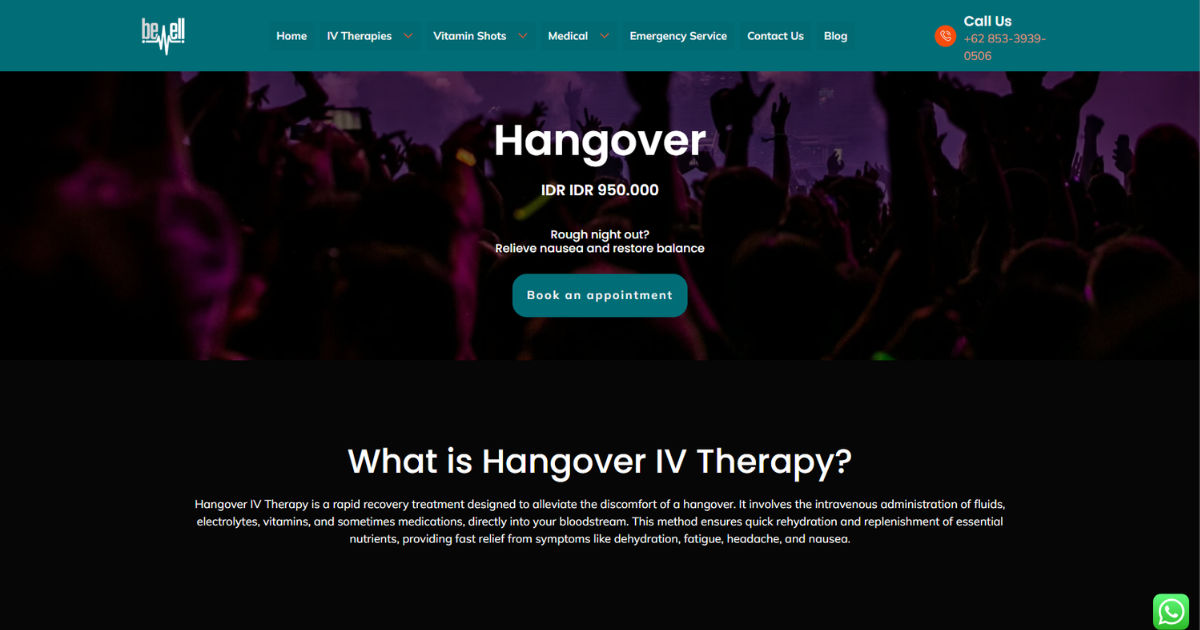
This treatment involves the intravenous delivery of fluids, vitamins, and electrolytes directly into the bloodstream. The goal is to rehydrate the body, restore lost nutrients, and alleviate symptoms such as headaches, nausea, and fatigue.
Hangover IV therapy is different from simply drinking water or taking vitamins orally. When alcohol dehydrates the body, it reduces the efficiency of nutrient absorption in the digestive system. IV therapy bypasses the digestive system entirely, providing immediate relief by delivering nutrients directly to the bloodstream.
People are increasingly curious about whether it is safe to receive hangover IV therapy at home. With the rise of mobile IV services and home health providers, many companies now offer IV treatments in the comfort of your home. However, safety concerns are valid and should be thoroughly understood before opting for this treatment.
How Hangover IV Therapy Works
The main idea behind hangover IV therapy is rapid rehydration and replenishment of essential nutrients. Alcohol depletes your body of fluids, electrolytes, and vitamins, particularly B vitamins and vitamin C. When these nutrients are restored quickly through IV therapy, the body can recover faster than through oral methods alone.
A typical hangover IV therapy session includes:
- Saline solution: To restore hydration.
- Electrolytes: Such as sodium, potassium, and magnesium to correct imbalances.
- Vitamins: B-complex vitamins and vitamin C are commonly included to boost energy and support liver function.
- Optional medications: Sometimes anti-nausea or pain relief medications are added under professional supervision.
The therapy usually takes between 30 to 60 minutes. Most patients report feeling relief shortly after the treatment, including decreased headache intensity, improved energy, and reduced nausea.
Benefits of Hangover IV Therapy
There are several benefits to using hangover IV therapy, especially for people who experience severe hangovers.
Rapid Rehydration
Alcohol is a diuretic, meaning it increases urine production and leads to dehydration. Dehydration is a major cause of hangover symptoms such as dizziness, dry mouth, and fatigue. Hangover IV therapy restores fluids directly into the bloodstream, providing rapid rehydration that oral fluids cannot match.
Nutrient Restoration
Hangovers often result in deficiencies of important vitamins and minerals. B vitamins, vitamin C, and electrolytes are crucial for energy production and overall recovery. Hangover IV therapy replenishes these nutrients immediately, helping the body heal faster.
Symptom Relief
Patients often report that hangover IV therapy helps reduce headaches, nausea, and muscle aches. By targeting the root causes of hangover symptoms—dehydration and nutrient depletion—this therapy can improve how you feel much faster than waiting it out or taking over-the-counter remedies.
Convenience and Comfort
For those who cannot travel to a clinic, mobile IV therapy services can bring hangover IV therapy directly to your home. This convenience makes it easier to recover in a comfortable, familiar environment.
Is Hangover IV Therapy Safe at Home?
While hangover IV therapy can be effective, safety is a major consideration, especially when administered at home. There are risks associated with any IV treatment, including infection, improper dosing, and allergic reactions. Understanding these risks is essential before attempting home-based IV therapy.
Professional Supervision
The most important factor in safe hangover IV therapy at home is professional supervision. Licensed nurses or trained medical professionals should administer IV therapy to reduce the risk of complications. Attempting to perform IV therapy on yourself without medical training is dangerous and strongly discouraged.
Sterility and Equipment
IV therapy requires sterile equipment and proper handling to prevent infections. Hospitals and clinics follow strict protocols for sterilization. At home, mobile IV services typically bring pre-packaged, sterile kits and follow the same guidelines. Using non-sterile equipment or reusing supplies increases the risk of serious infections.
Proper Dosing
Determining the right amount of fluids, electrolytes, and vitamins is crucial. Overhydration or incorrect dosing can lead to electrolyte imbalances or other health issues. A licensed medical professional will calculate the correct dosage based on your weight, medical history, and current symptoms.
Identifying Medical Contraindications
Certain health conditions may make hangover IV therapy unsafe, including kidney problems, heart conditions, or allergies to components of the IV solution. A medical professional can screen for these contraindications before administering therapy at home.
How Home Hangover IV Therapy Services Work
Mobile IV therapy companies have become increasingly common, offering a range of services designed for convenience and safety. Understanding how these services operate can help you decide whether at-home hangover IV therapy is suitable for you.
Booking a Session
Most mobile IV therapy services allow you to book appointments online or via phone. You can choose the type of IV treatment you need, including options specifically designed for hangovers.
Pre-Treatment Assessment
Before the IV is administered, a licensed professional will conduct a brief medical assessment. This may include asking about your alcohol consumption, symptoms, medical history, and any medications you are currently taking. This step ensures that IV therapy is safe for you.
Administration of IV Therapy
During the session, the nurse or trained professional will insert an IV line, usually in your arm. The fluids and nutrients are then delivered at a controlled rate. The process typically takes 30 to 60 minutes, during which the provider monitors you for any adverse reactions.
Post-Treatment Care
After the IV is complete, the provider will remove the IV line and give you instructions for aftercare. This may include drinking water, resting, and monitoring for any delayed side effects. Most people feel significant relief shortly after treatment.
Potential Risks and Side Effects
While hangover IV therapy is generally considered safe when administered by professionals, there are potential risks and side effects to be aware of.
- Infection: If sterility is compromised, infections at the IV site can occur.
- Bruising or soreness: Minor bruising or soreness at the insertion site is common.
- Electrolyte imbalance: Incorrect dosing can lead to too much or too little of certain electrolytes, which can affect heart and kidney function.
- Allergic reactions: Rarely, patients may be allergic to vitamins or medications in the IV solution.
Understanding these risks helps you make an informed decision about whether hangover IV therapy at home is appropriate.
Alternatives to Hangover IV Therapy
Not everyone may be able to access hangover IV therapy, especially at home. There are alternatives that can still help alleviate hangover symptoms effectively.
Oral Rehydration
Drinking plenty of water or oral rehydration solutions can help replace lost fluids and electrolytes. While slower than IV therapy, this method is accessible and safe for most people.
Balanced Meals
Eating nutrient-rich foods can help restore vitamins and minerals. Foods high in B vitamins, vitamin C, and potassium, such as eggs, bananas, and citrus fruits, are particularly helpful.
Rest
Sleep allows the body to recover naturally from the effects of alcohol. Combining rest with hydration and nutrient replenishment can reduce hangover severity.
Over-the-Counter Remedies
Pain relievers, anti-nausea medications, and electrolyte drinks can provide symptom relief. However, these remedies are generally slower and less targeted than IV therapy.
Choosing a Reputable Home IV Service
If you decide to pursue hangover IV therapy at home, choosing a reputable provider is essential for safety and effectiveness.
Verify Credentials
Ensure the service employs licensed nurses or medical professionals. Check for certifications and reviews to confirm their legitimacy.
Check Sterility Standards
Ask about their sterilization protocols and equipment handling. A professional service should use pre-packaged, sterile IV kits and follow strict hygiene procedures.
Transparency of Ingredients
A trustworthy provider will clearly list the components of the IV solution and explain the purpose of each ingredient. This helps you understand exactly what you are receiving.
Emergency Protocols
Even though adverse reactions are rare, the service should have clear emergency protocols in place in case something goes wrong during the session.
Frequently Asked Questions
Can anyone get hangover IV therapy at home?
Not everyone is a candidate. People with kidney disease, heart problems, or certain allergies should avoid IV therapy unless cleared by a doctor.
How long does relief last?
Most people experience relief within an hour of treatment. Effects can last several hours to a day, depending on hydration levels and individual metabolism.
Is hangover IV therapy covered by insurance?
Generally, hangover IV therapy is considered elective and not covered by insurance. Costs vary depending on the provider and location.
Can hangover IV therapy prevent future hangovers?
No, IV therapy treats current symptoms but does not prevent hangovers in the future. Moderation and responsible drinking remain the best prevention strategies.
Tips for Safe At-Home Hangover IV Therapy
- Always use a licensed provider – Never attempt IV therapy on your own.
- Stay hydrated – Drink water before and after the session.
- Know your medical history – Share all relevant conditions and medications with the provider.
- Observe the IV site – Report any redness, swelling, or pain immediately.
- Rest after treatment – Give your body time to recover fully.
Conclusion
Hangover IV therapy is a powerful tool for recovering from the unpleasant effects of alcohol. It works by rehydrating the body, replenishing essential nutrients, and alleviating symptoms like headache, nausea, and fatigue. With the rise of mobile IV services, many people are now able to receive hangover IV therapy safely at home, provided the treatment is administered by licensed medical professionals.
While at-home IV therapy offers convenience, it is important to prioritize safety by choosing reputable providers, understanding the risks, and following post-treatment guidelines. For those unable to access IV therapy, alternatives like oral hydration, nutrient-rich foods, and rest can still help manage hangovers effectively.
Ultimately, hangover IV therapy can provide rapid relief and help people recover faster, but it should complement responsible drinking habits rather than replace them. Proper safety measures, professional supervision, and awareness of personal health conditions are essential for ensuring a safe and effective at-home IV experience.
By understanding how hangover IV therapy works, its benefits, and the precautions necessary for safe at-home administration, individuals can make informed decisions about whether this treatment is right for them. With the right approach, hangover IV therapy can be a reliable and convenient way to bounce back from a rough night of drinking.

 sharp_eye
 ahead_time