
 AsimAli
Choosing the right water heating system is an important decision for homeowners who want reliable hot water, better energy efficiency, and long-term savings. Traditional water heaters have been used in homes for decades, but modern technology has introduced tankless systems as an attractive alternative. These units heat water when needed instead of storing a large supply in a tank. As a result, many homeowners are exploring whether switching to a tankless system is practical.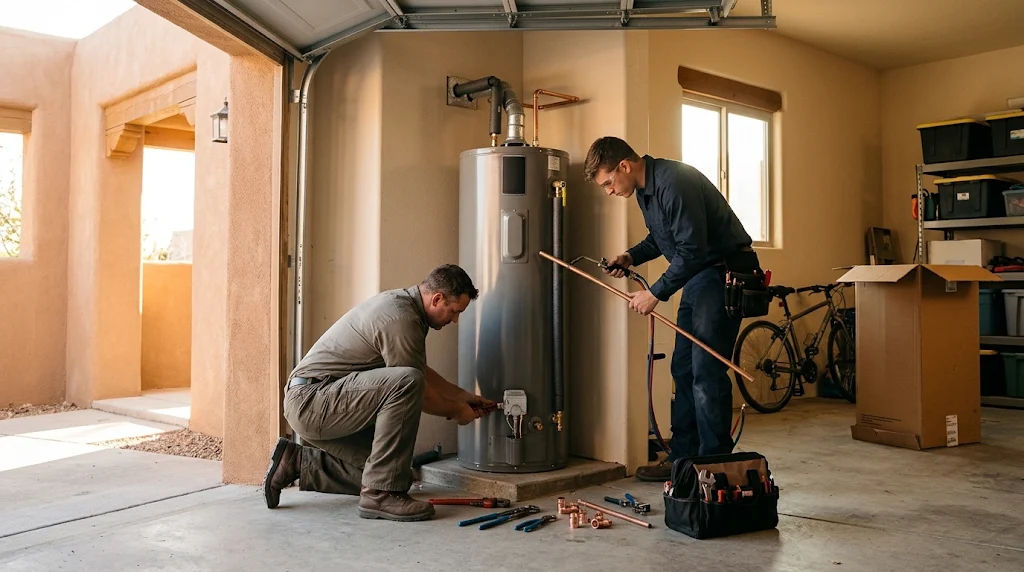
For homeowners considering Water Heater Installation Albuquerque NM, tankless technology offers several potential advantages, including continuous hot water, improved energy efficiency, and reduced equipment size. However, making the switch requires more than simply replacing an old water heater. Factors such as household water demand, gas or electrical capacity, plumbing arrangements, installation costs, and local building requirements must be considered.
The good news is that many Albuquerque homes can accommodate tankless water heaters. The key is determining whether the existing property has the necessary infrastructure and selecting a system that matches the household's needs. Understanding the installation process, benefits, limitations, and maintenance requirements can help homeowners make an informed decision.
How Tankless Water Heaters Work
A tankless water heater operates differently from a conventional storage water heater. Instead of keeping dozens of gallons of water heated throughout the day, it warms water as it moves through the unit.
When someone opens a hot water faucet, cold water enters the heater. A gas burner or electric heating element activates and transfers heat to the water. The heated water then travels through the plumbing system to the selected fixture.
When the faucet closes, the system stops heating water. This on-demand process reduces the need to maintain a large tank of hot water continuously.
Main Types of Tankless Water Heaters
Homeowners generally have two main options.
Gas tankless water heaters: These systems use natural gas or propane to heat water. They can provide substantial heating capacity and are commonly considered for households with multiple bathrooms and high hot water demand.
Electric tankless water heaters: These units use electrical heating elements. They are often compact and do not require gas connections or combustion venting. However, some models require significant electrical capacity.
The right option depends on the property's existing utilities, household requirements, and installation budget.
Can Albuquerque Homes Switch to Tankless Water Heating?
Yes, many homes in Albuquerque can switch from traditional water heaters to tankless systems. However, compatibility depends on several important factors.
A home with an existing gas water heater may be a suitable candidate for a gas-powered tankless model. Nevertheless, the current gas line may need adjustments because tankless equipment can require a higher gas flow rate during operation.
Similarly, replacing an electric storage heater with an electric tankless unit may require electrical upgrades. Some whole-house electric models need substantial electrical service, which older properties may not have.
Professional assessment is therefore essential before choosing equipment.
Evaluating Existing Plumbing Connections
The plumbing layout is one of the first things an installer should examine.
Traditional water heaters generally connect to cold-water and hot-water supply lines. Tankless systems use similar connections, but their installation may require adjustments to accommodate the equipment's location, isolation valves, condensate drainage, and other components.
The installer should also evaluate water pressure, pipe condition, and existing shutoff arrangements.
For homeowners researching Water Heater Installation Albuquerque NM, checking the plumbing system before purchasing equipment can prevent unexpected installation expenses.
Checking Gas and Electrical Capacity
Utility capacity is especially important when converting an older system.
A gas-powered tankless heater may need a larger gas supply line than the existing storage heater. The installer must confirm that the gas meter, piping, and other connected appliances can support the additional demand.
Electric models require a different evaluation. The home's electrical panel, available amperage, wiring, and circuit arrangements must be checked.
These assessments help determine whether the conversion can be completed without major infrastructure improvements.
Why Tankless Water Heaters Are Attractive in Albuquerque
Albuquerque homeowners may find tankless systems appealing for several reasons. Energy efficiency, available space, and household convenience are among the most important considerations.
Improved Energy Efficiency
Traditional storage water heaters maintain a reservoir of hot water even when nobody is using it. This creates standby heat loss as warmth gradually escapes from the tank.
Tankless systems generally avoid much of this standby loss because they heat water when required.
The actual energy savings depend on the model, household usage, fuel prices, installation quality, and existing equipment. A household that uses hot water efficiently may experience different results from a property with frequent simultaneous hot water demand.
Continuous Hot Water Supply
One of the biggest attractions of tankless technology is its ability to provide hot water without depending on a fixed storage capacity.
A conventional tank can run out of hot water after several showers or other high-demand activities.
A properly sized tankless system can continue heating water while demand remains within its rated capacity.
However, continuous hot water does not mean unlimited flow. Every unit has a maximum flow rate and temperature-rise capability. If several fixtures operate simultaneously, the system may struggle to maintain the desired temperature.
Space-Saving Design
Tankless water heaters are considerably smaller than many conventional storage models.
Their compact construction can free up valuable utility-room space, making them attractive for smaller houses, apartments, and properties with limited storage areas.
Some models can be installed on suitable walls, depending on manufacturer requirements and local building regulations.
Reduced Risk of Tank Corrosion
Traditional water heaters contain storage tanks that can eventually corrode, leak, or develop sediment accumulation.
Tankless systems eliminate the large storage tank, removing one common source of water heater failure.
However, they still contain internal components that require inspection and maintenance. Heat exchangers, valves, sensors, and other parts can experience wear over time.
Important Factors Before Installing a Tankless System
Although tankless technology offers several advantages, it is not automatically the best option for every property.
Homeowners should consider the following factors before making a decision.
Household Hot Water Demand
The number of people living in a home affects the required heating capacity.
A household with one or two occupants may have relatively modest hot water requirements. A larger family may use showers, dishwashers, washing machines, and bathroom faucets simultaneously.
An installer should calculate the expected peak demand rather than selecting a unit based only on the number of bathrooms.
This helps ensure that the equipment can provide adequate hot water without frequent temperature fluctuations.
Albuquerque's Incoming Water Temperature
The temperature of incoming groundwater affects how much heating a tankless system must provide.
When incoming water is colder, the heater must work harder to reach the selected output temperature.
This matters because a tankless unit's maximum flow rate depends partly on the required temperature increase.
For example, a system may deliver a higher flow rate when the incoming water is relatively warm than when it must produce a much larger temperature increase.
Professional sizing should account for seasonal conditions in Albuquerque rather than relying only on advertised maximum flow rates.
Installation Location
The location of the new heater influences installation complexity.
An installer should consider:
-
Distance from existing plumbing connections.
-
Availability of gas or electrical connections.
-
Venting requirements for gas-powered equipment.
-
Access for future maintenance.
-
Protection from freezing temperatures.
-
Manufacturer-required installation clearances.
An outdoor model may be suitable for certain properties, but the selected equipment must be designed for outdoor installation and appropriate local conditions.
The Tankless Water Heater Installation Process
A successful conversion requires proper planning and professional installation.
When arranging Water Heater Installation Albuquerque NM, homeowners should understand the general stages involved.
1. Initial Property Inspection
The process begins with an evaluation of the existing water heater and household infrastructure.
The technician examines the current fuel source, plumbing connections, electrical service, ventilation, and available installation space.
The inspection also helps identify any existing problems that should be addressed before the new equipment is installed.
2. Selecting the Correct Equipment
After evaluating the property, the installer recommends an appropriate system.
Important specifications include:
-
Fuel type.
-
Maximum flow rate.
-
Temperature-rise capacity.
-
Energy efficiency rating.
-
Indoor or outdoor installation suitability.
-
Manufacturer warranty.
-
Maintenance requirements.
Choosing a properly sized unit is more important than simply selecting the largest available model.
3. Preparing the Installation Area
The existing water heater must be disconnected and removed according to applicable safety requirements.
The installer then prepares the designated area for the new equipment.
Depending on the property, this may involve modifying plumbing connections, upgrading gas piping, installing electrical circuits, or preparing an appropriate venting arrangement.
4. Installing the Tankless Unit
The new equipment is positioned and connected according to manufacturer specifications.
Water connections, fuel supplies, electrical connections, and ventilation components must be installed correctly.
For gas-powered systems, proper combustion air and exhaust arrangements are particularly important.
All work should follow applicable codes and be completed by qualified professionals.
5. Testing and System Commissioning
After installation, the technician checks the equipment to confirm that it operates correctly.
Testing generally includes inspecting connections, checking for leaks, verifying fuel or electrical operation, and confirming appropriate water temperature.
The technician should also explain basic operation, temperature settings, maintenance schedules, and warning indicators.
Understanding Tankless Water Heater Installation Costs
Cost is one of the most important considerations when deciding whether to switch from a traditional heater.
Tankless systems often have higher initial installation costs because they may require specialized equipment and infrastructure improvements.
The total project price depends on several factors.
Equipment Costs
The price of a tankless water heater varies according to its fuel type, heating capacity, efficiency, manufacturer, and features.
Whole-house systems designed for larger properties may cost more than compact units intended for smaller households.
Homeowners should compare equipment based on performance and warranty coverage rather than purchase price alone.
Labor and Infrastructure Upgrades
Installation labor can represent a significant portion of the total expense.
A straightforward replacement may require relatively limited modifications. However, a conversion involving gas-line upgrades, electrical improvements, venting changes, or plumbing alterations can increase the project cost.
Obtaining a detailed written estimate helps homeowners understand what is included.
Long-Term Operating Expenses
Tankless systems may reduce energy consumption, but actual savings depend on household usage and local utility rates.
Maintenance expenses should also be included when comparing long-term ownership costs.
A realistic financial comparison considers the initial purchase, installation, energy use, maintenance, and expected equipment lifespan.
Tankless Water Heater Maintenance Requirements
Regular maintenance is necessary to keep a tankless water heater operating efficiently.
Although these systems eliminate traditional storage tanks, mineral deposits and other operating issues can still affect performance.
Managing Mineral Deposits
Mineral buildup can accumulate inside the heat exchanger, particularly when water contains higher levels of dissolved minerals.
Over time, deposits may reduce heat-transfer efficiency and restrict water flow.
Periodic flushing and descaling, following manufacturer instructions, can help prevent these problems.
Cleaning Filters and Inspecting Components
Many tankless systems include inlet filters that collect particles from incoming water.
These filters should be inspected and cleaned according to the manufacturer's maintenance schedule.
A qualified technician can also examine valves, sensors, connections, and other components during routine servicing.
Checking Ventilation and Combustion Components
Gas-powered equipment requires appropriate ventilation and combustion performance.
The venting system should be inspected for damage, obstruction, and installation problems.
Carbon monoxide safety is particularly important. Homeowners should maintain appropriate carbon monoxide alarms and arrange professional inspection whenever equipment shows signs of improper operation.
Common Challenges When Switching to Tankless
Understanding potential limitations helps homeowners avoid unrealistic expectations.
Higher Upfront Investment
Tankless equipment and conversion work can cost more than replacing a traditional water heater with another storage model.
Although energy savings may help offset the investment, the payback period varies considerably.
Homeowners should compare complete project estimates before making a decision.
Limited Flow Rate
A tankless system heats water continuously, but it cannot exceed its rated heating capacity.
If multiple showers and appliances operate simultaneously, the available hot water flow may decrease.
Proper system sizing or an appropriately designed multi-unit arrangement can help address higher household demand.
Delays Before Hot Water Arrives
Tankless technology does not eliminate the time required for hot water to travel through plumbing pipes.
If a bathroom is far from the heater, occupants may still wait for hot water to arrive.
A properly designed hot water circulation system may reduce this delay, although it introduces additional equipment and operating considerations.
Dependence on Utilities
Gas-powered tankless systems generally need electricity for controls and ignition.
Electric models depend on an adequate electrical supply.
Therefore, a power outage may interrupt operation, depending on the system and any backup arrangements.
Choosing a Qualified Tankless Water Heater Installer
The quality of installation has a major influence on equipment performance, efficiency, and safety.
When comparing providers for Water Heater Installation Albuquerque NM, homeowners should look for contractors with relevant licensing, experience, insurance, and knowledge of local requirements.
Verify Licensing and Experience
Water heater conversions can involve plumbing, electrical, gas, and ventilation work.
Homeowners should confirm that the contractor holds the appropriate licenses for the work being performed.
Experience with tankless installations is also valuable because these systems have different sizing and connection requirements from conventional water heaters.
Request a Detailed Written Estimate
A professional estimate should explain the proposed equipment, labor, necessary upgrades, permits, and expected project timeline.
It should also identify any exclusions that could affect the final price.
Comparing written estimates makes it easier to evaluate different contractors fairly.
Review Warranty and Maintenance Support
Manufacturers provide different warranty terms for heat exchangers, components, and other equipment parts.
Homeowners should understand the coverage period and any maintenance conditions.
It is also useful to ask whether the installer provides ongoing maintenance services and support after installation.
Is a Tankless Water Heater Better Than a Traditional System?
The answer depends on the property's requirements and the homeowner's priorities.
A tankless system may be an excellent choice for households interested in reducing standby energy loss, saving space, and enjoying a continuous supply of hot water within the equipment's rated capacity.
A traditional storage heater may remain more practical for homeowners who want a lower initial installation cost or have infrastructure that would make conversion expensive.
Both technologies can provide dependable hot water when correctly selected, installed, and maintained.
Homeowners considering Water Heater Installation Albuquerque NM should compare the complete ownership costs rather than focusing exclusively on energy efficiency or equipment size.
Conclusion
Switching from a traditional water heater to a tankless system is possible for many Albuquerque homes. Modern tankless technology offers several attractive benefits, including improved energy efficiency, continuous hot water within the unit's capacity, compact equipment design, and reduced standby heat loss.
However, successful installation depends on proper planning. Household hot water demand, incoming water temperature, gas supply, electrical capacity, plumbing arrangements, ventilation, and installation location all influence the suitability of a particular system.
Homeowners should also consider the higher initial investment, potential infrastructure upgrades, ongoing maintenance, and equipment limitations. A professional inspection can identify whether the existing property is suitable for conversion and help determine which system offers the best overall value.
When evaluating Water Heater Installation Albuquerque NM, choosing experienced professionals and properly sized equipment can make a significant difference. A carefully planned installation helps protect the home's plumbing infrastructure while supporting reliable hot water delivery.
Ultimately, tankless water heating can be a worthwhile upgrade for homeowners who value efficiency, convenience, and space savings. By understanding the available options and comparing both immediate and long-term costs, Albuquerque residents can make a confident decision about whether tankless technology is the right solution for their homes.

 ahead_time
 sarcastic_guy