
 AsimAli
Home care has become an important option for families who want their loved ones to receive medical attention in a familiar and comfortable environment. Many patients need medical equipment after surgery, during recovery, or while managing long-term health conditions. However, purchasing every required medical device can be expensive, especially when the equipment is only needed temporarily. Renting medical equipment offers a practical alternative that allows families to arrange appropriate care without making a large financial investment.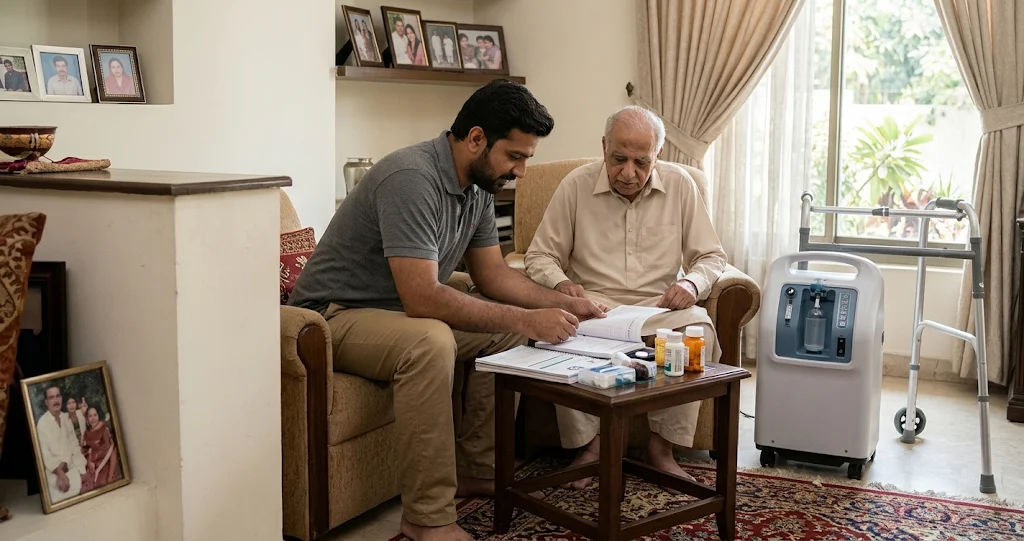
Medical Equipment Rental In Lahore provides families with an opportunity to access essential healthcare devices while maintaining a comfortable home environment. From hospital beds and wheelchairs to oxygen equipment and patient monitors, rented devices can help caregivers manage different healthcare needs. With suitable equipment, proper instructions, and professional medical guidance, home care can become more organized and manageable.
Understanding how medical equipment rental works is important before choosing a service. Families should consider the patient's condition, equipment requirements, rental duration, maintenance arrangements, and overall costs. This comprehensive guide explains how medical equipment rental can support home care and what families should know before making a decision.
The Role of Medical Equipment in Home Care
Home care involves providing healthcare assistance to patients in their own homes instead of requiring them to remain in a hospital or healthcare facility. Depending on their condition, patients may need basic mobility support or more specialized medical equipment.
Medical devices help caregivers perform everyday responsibilities more safely. They can support patient mobility, improve comfort, assist with monitoring, and make certain healthcare routines easier to manage.
Why Medical Equipment Is Important at Home
Patients recovering from surgery may have difficulty walking, sitting, or changing positions. Similarly, elderly individuals and people with mobility limitations may need additional support throughout the day.
Appropriate equipment can help address these challenges. For example, an adjustable hospital bed can make it easier to change sleeping positions, while a wheelchair can support movement around the home.
Medical equipment can also help caregivers follow healthcare instructions more effectively. However, equipment should always be selected according to professional medical recommendations.
How Rental Services Make Home Care Accessible
Buying medical equipment is not always financially practical. Some devices are expensive, and patients may only need them for a few weeks or months.
Rental services provide access without requiring families to purchase equipment permanently. This arrangement can be particularly helpful when medical needs change over time.
Families can choose equipment according to their immediate requirements and discuss extending or ending the rental period when necessary.
Types of Medical Equipment That Support Home Care
Medical Equipment Rental In Lahore require different types of equipment. The right selection depends on their medical condition, physical abilities, and healthcare provider's recommendations.
Understanding common rental options can help families prepare a suitable home care environment.
Hospital Beds for Patient Comfort
Hospital beds are among the most useful devices for patients who spend extended periods resting or recovering at home.
Unlike ordinary beds, hospital beds offer adjustable positions that can support different patient needs. Some models allow caregivers to raise or lower the head and foot sections.
These adjustments can make activities such as eating, reading, resting, and receiving assistance more convenient.
Hospital beds may also help caregivers provide daily support without repeatedly lifting or repositioning patients manually.
When choosing a hospital bed, families should consider:
-
Adjustable head and foot sections.
-
Appropriate mattress support.
-
Bedside safety rails when clinically suitable.
-
Weight capacity.
-
Available space in the patient's room.
-
Ease of operation and maintenance.
A healthcare professional can help determine which bed configuration is appropriate.
Wheelchairs for Better Mobility
Wheelchairs help patients move around their homes when walking is difficult or unsafe.
They are particularly useful for elderly individuals, people recovering from injuries, and patients experiencing temporary mobility limitations.
Manual wheelchairs are generally operated by the user or a caregiver. Some patients may benefit from powered wheelchairs when recommended and suitable for their physical abilities.
Before renting a wheelchair, families should check its seat width, weight capacity, brakes, footrests, and overall comfort.
The home should also have suitable pathways, doorways, and access areas to allow safe movement.
Oxygen Equipment for Respiratory Support
Some patients require supplemental oxygen because of respiratory conditions or other medical problems.
Oxygen concentrators are commonly used in home settings when prescribed by a healthcare professional. They provide supplemental oxygen by concentrating oxygen from surrounding air.
Families should understand that oxygen equipment requires appropriate setup, regular maintenance, and careful operation.
Caregivers must follow the prescribed oxygen flow rate and usage instructions. They should never independently change the settings without medical advice.
Oxygen safety is equally important. Equipment should be kept away from flames, smoking materials, and other ignition sources.
Patient Monitors for Health Observation
Certain patients need regular monitoring of specific health measurements.
Depending on the clinical situation, home monitoring equipment may include blood pressure monitors, pulse oximeters, thermometers, or more specialized patient monitors.
These devices can help caregivers collect useful information for healthcare professionals.
However, home monitoring does not replace medical examinations. Unexpected readings or concerning symptoms should be discussed with an appropriate healthcare provider.
Other Equipment for Daily Patient Support
Additional equipment may help families manage specific care requirements.
Examples include:
-
Commode chairs for patients with limited mobility.
-
Walking frames for supported movement.
-
Suction machines when medically indicated.
-
Nebulizers for prescribed respiratory treatments.
-
Air mattresses for patients at risk of pressure injuries.
-
Patient transfer aids for safer movement.
Not every patient requires all these devices. Equipment selection should be based on individual needs rather than convenience alone.
How Medical Equipment Rental In Lahore Supports Home Care
Home care involves several responsibilities, including maintaining patient comfort, supporting mobility, following treatment instructions, and creating a safe environment.
Rental services can make these responsibilities easier by providing access to equipment that supports everyday healthcare activities.
Reduces the Financial Burden on Families
Medical equipment can represent a significant expense, particularly when multiple devices are required.
For example, a patient recovering from major surgery may temporarily need a hospital bed, wheelchair, and mobility support equipment.
Purchasing everything may not make financial sense if the equipment will no longer be needed after recovery.
Medical Equipment Rental In Lahore allows families to access necessary devices through a rental arrangement instead of paying the full purchase price.
This can help them manage healthcare expenses while keeping funds available for medicines, consultations, transportation, and other essential needs.
Makes Post-Surgery Recovery More Comfortable
Patients often require additional support after surgical procedures.
Depending on the operation, they may experience pain, restricted movement, weakness, or difficulty performing normal activities.
An adjustable hospital bed can help patients maintain comfortable positions. A wheelchair may support movement during recovery, while other devices can assist with specific care requirements.
Having suitable equipment available at home can make the transition from hospital to home more organized.
However, the patient should only return home when the treating medical team considers it appropriate.
Supports Elderly Family Members
Older adults may experience reduced strength, balance difficulties, or mobility limitations.
These challenges can make ordinary household activities more difficult.
Equipment such as wheelchairs, walking frames, hospital beds, and commode chairs can provide practical assistance.
Caregivers can use these devices to support everyday routines while helping elderly family members maintain dignity and independence.
The equipment must be suitable for the individual's abilities and home environment.
Helps Caregivers Perform Daily Responsibilities
Family caregivers often manage several responsibilities throughout the day.
They may need to help patients change positions, move between rooms, maintain personal hygiene, or follow prescribed treatment routines.
Suitable medical equipment can reduce unnecessary physical strain and make certain tasks more manageable.
For example, an adjustable bed may reduce the need for repeated manual repositioning. Transfer aids may also support safer movement when used correctly.
Nevertheless, caregivers should receive proper training before using unfamiliar equipment.
Provides Flexibility When Medical Needs Change
Patient requirements can change throughout recovery.
Someone who initially needs a hospital bed and wheelchair may later require only a walking frame.
Similarly, a patient with a temporary medical condition may need equipment for a limited period.
Rental arrangements can offer greater flexibility than purchasing every device.
Families can discuss changing equipment requirements with the rental provider and healthcare team as the patient's condition develops.
Choosing the Right Medical Equipment Rental Provider in Lahore
The quality of the rental provider is an important part of successful home care.
Families should not select a service based entirely on its advertised prices. Equipment condition, hygiene, maintenance, delivery, and customer support also matter.
Check Equipment Quality and Condition
Before accepting any medical device, inspect its overall condition.
Look for visible damage, loose components, worn electrical cables, missing accessories, or signs of poor maintenance.
Mechanical and electrical equipment should be checked to ensure that it operates correctly.
Ask the provider whether the equipment is inspected and serviced between rentals.
For devices requiring calibration or technical checks, request appropriate maintenance information.
Ask About Cleaning and Hygiene
Medical equipment must be cleaned and disinfected appropriately between users.
This is particularly important for hospital beds, wheelchairs, mattresses, respiratory equipment, and devices that come into contact with patients.
Families should ask about the provider's cleaning procedures.
Equipment should arrive in a condition suitable for the intended use. Any reusable accessories that require replacement should be handled according to appropriate infection-control practices.
Understand Rental Charges
Rental prices may vary according to equipment type, model, rental duration, delivery requirements, and additional services.
Before confirming an arrangement, request a clear explanation of the charges.
Important questions include:
-
What is the daily, weekly, or monthly rental fee?
-
Is a security deposit required?
-
Are delivery and collection included?
-
What happens if the rental period needs extending?
-
Who pays for repairs caused by equipment failure?
-
Are accessories included in the rental price?
Understanding these details helps families avoid unexpected expenses.
Confirm Delivery and Installation Services
Large medical devices can be difficult to transport and install without assistance.
Hospital beds, oxygen concentrators, and specialized equipment may require proper positioning and setup.
Ask whether the provider offers home delivery and installation.
For equipment requiring technical operation, confirm that someone will explain the basic controls and safety precautions.
Families should also check whether the equipment can be delivered to their specific area of Lahore.
Evaluate Customer Support
Medical equipment may occasionally develop technical problems.
A reliable provider should explain how customers can report faults and request assistance.
Ask about repair arrangements, replacement policies, and support availability.
For essential devices, delays in addressing equipment problems can create serious difficulties. Families should understand the provider's response arrangements before signing a rental agreement.
Preparing Your Home for Medical Equipment
Arranging the right equipment is only one part of successful home care.
The home environment must also be suitable for the patient's mobility, comfort, and safety.
Create a Comfortable Patient Room
Choose a room that offers enough space for the patient, caregivers, and required equipment.
A hospital bed should be positioned where caregivers can access both sides when necessary.
There should also be sufficient room for wheelchairs, walking frames, and other mobility aids.
Keep frequently used items within convenient reach, provided the patient's condition allows independent access.
Improve Movement and Accessibility
Patients with mobility limitations may struggle with narrow pathways, loose rugs, and cluttered rooms.
Families should remove unnecessary obstacles and arrange furniture to create clear walking routes.
Doorways and bathroom access should be checked for wheelchair compatibility when needed.
Handrails and grab bars may also be useful when professionally recommended and correctly installed.
Arrange Electrical Safety
Many medical devices require electricity.
Before installing them, check that suitable electrical outlets are available and that cables can be positioned safely.
Avoid overloading sockets or placing cables where patients and caregivers may trip over them.
Ask the equipment provider about backup power requirements for essential electrical devices.
For oxygen equipment, follow all manufacturer and healthcare safety instructions.
Maintain Cleanliness and Organization
A clean home environment supports comfortable patient care.
Caregivers should regularly clean equipment according to manufacturer instructions.
Keep medical supplies organized and store them away from children, pets, and areas where they may become contaminated.
Any device showing signs of damage or malfunction should be taken out of use when appropriate and reported to the provider.
Safety Guidelines for Using Rented Medical Equipment
Medical devices are designed to support healthcare activities, but incorrect use can create additional risks.
Families should understand the basic safety requirements before operating rented equipment.
Follow Professional Medical Instructions
Equipment should be selected and used according to the patient's healthcare plan.
For example, oxygen flow rates should follow the prescription, while hospital bed positioning should consider the patient's medical condition.
Caregivers should not experiment with settings or make treatment-related changes independently.
When instructions are unclear, contact the treating healthcare professional or an appropriately qualified equipment technician.
Learn How to Operate Each Device
Every device has specific operating requirements.
Before using rented equipment, ask for demonstrations and written instructions where available.
Caregivers should understand how to switch devices on and off, adjust permitted settings, identify warning signals, and report problems.
For more complex equipment, practical training is especially important.
Monitor Equipment Performance
Regular checks can help identify potential problems early.
Inspect power connections, wheels, brakes, bed controls, and other relevant components.
For oxygen equipment, follow the recommended maintenance schedule and check for alarms or unusual operation.
Never continue using equipment that appears unsafe or is not functioning correctly.
Know When Medical Assistance Is Necessary
Medical equipment cannot replace professional healthcare.
If a patient develops severe breathing difficulty, chest pain, sudden confusion, unconsciousness, or another serious symptom, seek emergency medical assistance.
Do not rely on a home monitoring device alone to determine whether a medical emergency exists.
Caregivers should know whom to contact and where to seek help if the patient's condition changes.
Short-Term and Long-Term Rental Options
Rental duration is another important consideration when arranging home care.
Some patients need equipment for a few days, while others require assistance for several months.
Short-Term Equipment Rental
Short-term rentals are useful for patients recovering from temporary medical conditions.
For example, someone recovering from an orthopedic procedure may need a wheelchair or hospital bed until mobility improves.
Families can arrange equipment for the expected recovery period and discuss extensions if necessary.
This option can reduce unnecessary spending when long-term ownership is not required.
Long-Term Equipment Rental
Some patients have ongoing healthcare needs that require regular equipment use.
Individuals with chronic mobility limitations or certain long-term medical conditions may need devices for extended periods.
Longer rental arrangements can provide continued access without requiring a permanent purchase.
Families should compare the total rental cost over time with the purchase price and consider maintenance responsibilities before making a decision.
Changing Equipment as Recovery Progresses
Recovery does not always follow a fixed schedule.
A patient may gradually regain mobility and require less assistance.
In these situations, families can discuss exchanging or returning equipment according to the rental agreement.
This flexibility can help keep the home care arrangement appropriate as the patient's needs change.
Common Mistakes to Avoid When Renting Medical Equipment
Families sometimes make decisions quickly because they want to bring a patient home as soon as possible.
However, overlooking important details can create avoidable problems.
Selecting Equipment Without Medical Advice
Not every device is suitable for every patient.
A particular hospital bed, wheelchair, or respiratory device may not meet the patient's specific requirements.
Always consult the healthcare team before selecting specialized equipment.
Ignoring Equipment Dimensions
Large equipment may not fit through narrow doorways or into small rooms.
Measure the available space before arranging delivery.
For wheelchairs, consider turning space and access to bathrooms and other frequently used areas.
Choosing Only the Cheapest Provider
Low rental prices may appear attractive, but poor equipment quality or limited maintenance support can create additional difficulties.
Compare the complete service rather than looking at price alone.
Failing to Understand the Rental Agreement
Some families overlook deposits, damage policies, delivery charges, and return conditions.
Read the agreement carefully and request clarification before making payment.
Keeping a written copy of the terms can help prevent misunderstandings later.
The Importance of Combining Equipment With Professional Home Care
Medical equipment can make home care more manageable, but equipment alone cannot provide complete medical treatment.
Patients may still require nursing support, rehabilitation, medical consultations, or assistance with daily activities.
Nursing Support and Medical Supervision
Some patients need professional nursing assistance for wound care, injections, medication administration, or other prescribed procedures.
Families should arrange qualified support when these services are required.
Medical equipment should complement professional care rather than replace trained healthcare workers.
Physiotherapy and Rehabilitation
Patients recovering from injuries, surgery, or certain medical conditions may benefit from physiotherapy.
A qualified physiotherapist can recommend appropriate exercises and mobility support.
Wheelchairs, walking frames, and other devices may assist rehabilitation when used according to the treatment plan.
Family Education and Caregiver Training
Family members play an important role in home care.
They should understand how to help patients move safely, maintain hygiene, operate equipment, and recognize warning signs.
Professional guidance can improve confidence and reduce the risk of mistakes.
Conclusion
Medical equipment rental can play a valuable role in supporting home care by making essential healthcare devices more accessible, affordable, and flexible. Patients recovering from surgery, elderly individuals, and people managing mobility or respiratory difficulties may benefit from having appropriate equipment available in their homes.
Medical Equipment Rental In Lahore gives families an opportunity to arrange devices such as hospital beds, wheelchairs, oxygen concentrators, patient monitors, and other medical aids without purchasing everything permanently. This can reduce financial pressure while helping caregivers create a more comfortable and organized care environment.
However, successful home care requires more than simply renting medical devices. Families must select equipment according to professional medical recommendations, inspect its condition, understand rental charges, and confirm that cleaning and maintenance arrangements are appropriate. They should also prepare the home, learn how to operate the devices, and understand essential safety precautions.
Another important consideration is the relationship between medical equipment and professional healthcare. Rental devices can support daily routines, but they cannot replace doctors, nurses, physiotherapists, or emergency medical services. Patients should continue receiving appropriate medical supervision throughout their recovery or long-term care.
Ultimately, renting medical equipment can make home care a more practical option for many Lahore families. With careful planning, reliable equipment, suitable caregiver training, and professional medical guidance, families can create a supportive environment that prioritizes patient comfort, safety, and dignity.
