
 AsimAli
Empty walls often make a room feel unfinished, cold, or lacking personality. One of the easiest and most effective ways to solve this problem is by using long vertical wall art. Whether you are decorating a modern apartment, a cozy family home, or a professional office, long vertical wall art adds height, balance, and visual interest without overwhelming the space.
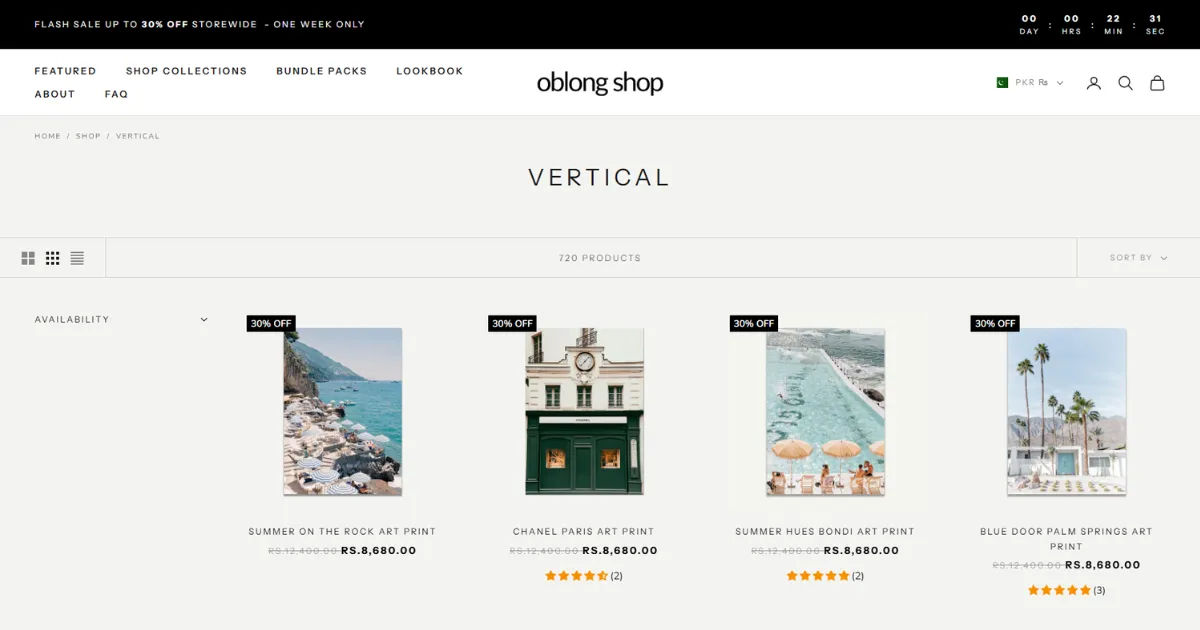
Many homeowners struggle with tall, narrow walls that seem impossible to decorate. Others have large blank spaces beside windows, staircases, fireplaces, or entryways where traditional artwork simply does not fit. This is where long vertical wall art becomes an excellent design solution. Its tall proportions naturally draw the eye upward, making ceilings appear higher while giving empty walls a polished and intentional appearance.
This comprehensive guide explains how long vertical wall art can completely transform empty walls, why it works so well in different interiors, and how to choose the perfect piece for every room.
Why Empty Walls Matter in Interior Design
Empty walls are more than unused space. They influence how people experience a room.
A completely blank wall can make a beautifully furnished room feel incomplete. Even expensive furniture may appear disconnected when there is nothing tying the entire design together.
Well-chosen wall art creates balance by connecting furniture, lighting, flooring, and decorative accessories into one cohesive design.
Large blank walls often create:
-
Visual imbalance
-
Empty and unfinished interiors
-
Poor room proportions
-
Lack of personality
-
Reduced warmth and comfort
Adding long vertical wall art instantly introduces color, texture, movement, and character while helping define the room's style.
How Long Vertical Wall Art Changes Visual Proportions
One of the biggest reasons designers love long vertical wall art is its ability to influence visual perception.
Vertical shapes naturally encourage the eye to travel upward.
This simple visual trick creates the illusion of:
-
Higher ceilings
-
Taller walls
-
Larger rooms
-
Better balance
-
Elegant proportions
Even rooms with average ceiling heights often feel much more spacious after adding tall artwork.
Instead of focusing on the width of the room, viewers begin appreciating its height.
Why Vertical Artwork Feels More Elegant
Horizontal artwork generally emphasizes width.
Vertical artwork emphasizes height.
Height is naturally associated with elegance, sophistication, and openness.
Because of this psychological effect, long vertical wall art often creates a more luxurious atmosphere than artwork with wider dimensions.
Luxury hotels, modern offices, upscale restaurants, and designer homes frequently use tall artwork for this exact reason.
Best Places to Hang Long Vertical Wall Art
Different walls require different decorating solutions.
Fortunately, long vertical wall art works almost everywhere.
Entryways
First impressions matter.
A tall artwork near the entrance immediately welcomes guests while introducing your decorating style.
It also helps narrow entrance walls feel more intentional.
Living Rooms
Living rooms often contain large empty wall sections beside entertainment centers or sofas.
Tall artwork fills these spaces without making them feel crowded.
When paired with decorative lighting, it creates a beautiful focal point.
Dining Rooms
Dining rooms benefit from artwork that encourages conversation and creates warmth.
Vertical pieces beside buffets or corner walls provide balance without distracting from the dining table.
Bedrooms
Bedrooms should feel peaceful.
Soft-colored long vertical wall art above dressers or beside beds introduces calm while making the room appear taller.
Nature scenes, abstract textures, and botanical prints work especially well.
Hallways
Hallways frequently contain awkward narrow walls.
Traditional horizontal art usually feels too wide.
Tall artwork naturally complements these proportions while making hallways feel professionally decorated.
Staircases
Staircases are one of the best locations for long vertical wall art.
Since staircases already create upward movement, vertical artwork strengthens this effect.
The result is an elegant transition between floors.
Home Offices
Productive workspaces should feel inspiring without becoming distracting.
Minimalist vertical artwork creates visual interest while maintaining a clean professional appearance.
How Long Vertical Wall Art Creates a Focal Point
Every room benefits from a clear focal point.
Without one, the eye wanders randomly.
Tall artwork naturally attracts attention because humans instinctively notice height.
A carefully selected piece immediately becomes the center of attention.
This creates:
-
Better visual organization
-
Improved room flow
-
Balanced furniture arrangement
-
Stronger decorating theme
Choosing the Right Size
Size is one of the most important factors.
Artwork that is too small disappears.
Artwork that is too large overwhelms the room.
General guidelines include:
Small Walls
Choose artwork between 24 and 36 inches tall.
Medium Walls
Artwork measuring 40 to 60 inches tall usually creates excellent balance.
Tall Walls
Large open walls often support artwork over 70 inches in height.
Always consider nearby furniture when selecting dimensions.
Popular Styles of Long Vertical Wall Art
Every decorating style offers unique opportunities.
Abstract Designs
Abstract artwork works well because it complements nearly every interior style.
Bold brush strokes add movement without requiring recognizable subjects.
Nature-Inspired Artwork
Trees, waterfalls, forests, mountains, and flowers create calming environments.
Natural themes remain timeless.
Botanical Prints
Leaves and floral illustrations fit modern, Scandinavian, farmhouse, and traditional homes.
Black and White Photography
Minimalist photography creates sophisticated interiors while matching almost every color palette.
Geometric Designs
Modern homes often benefit from clean geometric patterns that emphasize structure and symmetry.
Textured Canvas Art
Texture creates depth.
Layered paint, fabric, and mixed materials make artwork more visually engaging.
Matching Artwork with Interior Design Styles
Modern Homes
Simple lines.
Neutral colors.
Minimal frames.
Large compositions.
Farmhouse Interiors
Natural wood frames.
Botanical themes.
Soft neutral colors.
Warm textures.
Scandinavian Design
Light colors.
Minimal details.
Nature-inspired subjects.
Soft contrast.
Industrial Spaces
Metal frames.
Dark colors.
Urban photography.
Concrete-inspired textures.
Traditional Homes
Classic landscapes.
Elegant frames.
Rich colors.
Detailed compositions.
Choosing the Perfect Colors
Color influences mood.
Select artwork that complements your room instead of competing with it.
Warm colors include:
-
Gold
-
Orange
-
Rust
-
Red
Cool colors include:
-
Blue
-
Green
-
Gray
Neutral artwork remains the safest option because it adapts easily as decorating trends change.
Frame or Frameless?
Both options work beautifully.
Framed artwork provides:
-
Traditional elegance
-
Better definition
-
Greater durability
Frameless canvas offers:
-
Modern simplicity
-
Contemporary appearance
-
Cleaner lines
Choose whichever matches your decorating style.
Using Long Vertical Wall Art in Small Rooms
Many homeowners assume large artwork only belongs in spacious homes.
The opposite is often true.
Tall artwork actually makes compact rooms feel bigger.
Instead of filling walls with many small decorations, one larger vertical piece creates a cleaner appearance.
Less visual clutter often makes rooms feel more open.
Decorating High Ceilings
High ceilings sometimes feel intimidating.
Large blank walls become especially noticeable.
Multiple small decorations often appear disconnected.
Instead, one impressive piece of long vertical wall art anchors the entire wall.
The result feels balanced rather than empty.
Can One Piece Be Enough?
Absolutely.
Many professional designers prefer one statement piece instead of multiple smaller decorations.
A single artwork often provides:
-
Cleaner appearance
-
Easier decorating
-
Better balance
-
Stronger visual impact
Quality usually matters more than quantity.
Combining Multiple Vertical Pieces
If one artwork feels too simple, consider creating a gallery arrangement.
Ideas include:
-
Two matching canvases
-
Three coordinated panels
-
Vertical photography series
-
Botanical collections
Maintain consistent spacing between each piece for a polished appearance.
Lighting Makes a Difference
Artwork deserves proper lighting.
Picture lights, wall sconces, and ceiling spotlights highlight colors and textures while increasing visual impact.
Natural daylight also enhances artwork throughout the day.
Avoid excessive glare from direct sunlight.
Common Decorating Mistakes
Avoid these common errors.
Hanging Artwork Too High
The center of the artwork should usually align near eye level unless decorating exceptionally tall walls.
Choosing Artwork That Is Too Small
Tiny artwork disappears on large walls.
Scale matters.
Ignoring Color Balance
Artwork should support your existing furniture instead of introducing unrelated colors.
Overcrowding the Wall
Too many decorative pieces create visual confusion.
Leave breathing room around artwork.
Forgetting Wall Shape
Always consider wall dimensions before purchasing artwork.
Tall narrow walls require tall narrow art.
Material Options
Today's long vertical wall art is available in many materials.
Popular choices include:
-
Canvas
-
Wood panels
-
Metal prints
-
Acrylic
-
Framed paper prints
-
Mixed media
-
Fabric art
Each material offers unique textures and durability.
Seasonal Decorating
Neutral artwork allows seasonal decorating through accessories.
Instead of replacing artwork every season, simply update:
-
Throw pillows
-
Rugs
-
Flowers
-
Decorative vases
-
Blankets
This approach saves money while maintaining a fresh appearance year-round.
Long-Term Value
Unlike many decorating trends, quality artwork rarely goes out of style.
Well-selected long vertical wall art remains attractive for many years.
As furniture changes, artwork often continues fitting beautifully into updated interiors.
Think of artwork as a long-term investment in your home's atmosphere.
Tips for Choosing the Perfect Long Vertical Wall Art
Before buying, ask yourself:
-
What mood do I want?
-
Which colors dominate the room?
-
How much wall space is available?
-
Should the artwork become the focal point?
-
Does the style match my furniture?
-
Will I still enjoy this design years from now?
Taking time to answer these questions helps ensure lasting satisfaction.
Why Designers Recommend Long Vertical Wall Art
Professional interior designers frequently recommend long vertical wall art because it solves multiple decorating challenges simultaneously.
It fills awkward wall spaces.
It improves room proportions.
It creates visual height.
It adds personality.
It establishes balance.
It serves as an artistic focal point.
Very few decorating accessories provide so many benefits with such little effort.
Conclusion
So, can long vertical wall art transform empty walls? The answer is a definite yes. Tall artwork has the unique ability to turn plain, uninspiring spaces into elegant focal points that elevate the entire room. By emphasizing height, creating visual balance, and introducing personality, it solves many of the most common interior design challenges without requiring major renovations or expensive remodeling.
Whether you are decorating a compact apartment, a spacious family home, a stylish office, or a welcoming entryway, long vertical wall art offers a timeless solution that works with nearly every decorating style. From modern abstract designs to calming botanical prints and textured canvases, there are endless options to match your personal taste.
The key is choosing artwork that fits your wall, complements your color palette, and reflects your personality. When thoughtfully selected and properly placed, long vertical wall art becomes much more than decoration—it becomes an essential design element that brings warmth, sophistication, and harmony into every room.

 sharp_eye
 sarcastic_guy