
 TanveerHassan
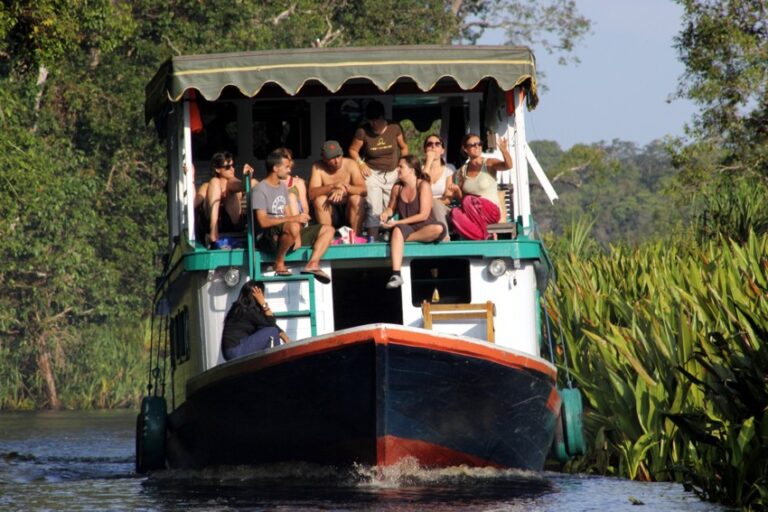
Orangutans are among the most enchanting and sophisticated creatures on Earth. Known for their hit red fur, expressive eyes, and lenify nature, these great apes occupy the dense rainforests of Borneo and Sumatra. Planning an orangutan tour is a dream for many wildlife enthusiasts, but ensuring a safe, right, and gratifying go through requires careful preparation. Here are the top tips to make your orangutang stake unforgettable.
1. Choose the Right Location
Borneo and Sumatra are the primary quill destinations for orang Tours. In Borneo, the island is dual-lane between Indonesia and Malaysia, with Sabah and Sarawak being nonclassical regions for wildlife tourism. The Sepilok Orangutan Rehabilitation Centre in Sabah is one of the most noted sanctuaries, offer visitors a chance to watch saved orangutans in a semi-natural home ground.
In Sumatra, the Gunung Leuser National Park is home to the vulnerable Sumatran orangutang. Unlike Borneo, Sumatra offers more remote control trekking experiences, nonsuch for travelers seeking a closer connection with nature. When choosing a position, consider availability, adjustment options, and the type of see you want whether it s acquisition, hazard-oriented, or eco-tourism focussed.
2. Plan Your Timing Wisely
Timing can importantly influence your orang tour undergo. The dry temper, typically from May to September, is considered the best time to visit, as the trails are easier to navigate and wildlife sightings are more shop at. Avoid the wet temper, which can make treks muddy, tricky, and less gratifying.
Additionally, consider the feeding schedules at rehabilitation centers. Visiting during eating multiplication increases your chances of seeing orangutans up while also observing their natural behaviors. Always check with the asylum or tour manipulator for updated feeding schedules and guidelines.
3. Choose Ethical and Responsible Tours
Ethical tourism is critical when provision an orangutan borneo orangutan tour . Look for operators that prioritize and beast well-being. Avoid tours that encourage direct touch or selfies with orangutans, as these practices can try the animals and disrupt their cancel behavior.
Support sanctuaries and projects that rehabilitate orphan or livid orangutans and aim to release them back into the wild. Research tour operators conservation policies, read reviews, and control your travel to contributes positively to the upbeat of these endangered creatures.
4. Prepare for Trekking and Physical Demands
Orangutan habitats are located in tropic rainforests, which means treks can be physically hard to please. Trails may be inconsistent, muddy, and steep, requiring a tone down dismantle of seaworthiness. Comfortable, jackanapes, and breathable habiliment is requirement, along with uncompromising hike place.
Bring a raincoat or poncho, dirt ball repellant, and sun blocker. A walk sting can be useful for stableness on slippery paths. Remember, trekking conditions vary depending on the part and mollify, so always check with your tour supplier for recommended gear.
5. Capture Memories Respectfully
Photography is an stimulating part of any wildlife tour, but it s prodigious to respect the animals and their environment. Use a zoom lens rather than approach the orangutans too nearly. Avoid using flash photography, which can disturb or affright them.
Documenting your go through helps upraise awareness about Pongo pygmaeus conservation, but always prioritize the welfare of the animals over the hone pic. Sharing responsible for wildlife photos can inspire others to support efforts.
6. Learn About Orangutans Before Your Visit
A deeper understanding of orang behavior, diet, and mixer structures can heighten your tour experience. Reading about their news, communication methods, and conservation challenges allows you to appreciate the complexity of these order Primates.
Many sanctuaries supply educational dialogue, target-hunting Tours, and interactive programs. Engage with the guides, ask questions, and take the opportunity to learn about the threats orangutans face, including deforestation, home ground loss, and black-market wildlife trade.
7. Support Local Communities
Wildlife touristry can profit topical anaestheti communities if done responsibly. Choose accommodations, restaurants, and guides from local anaesthetic businesses. Not only does this contribute to the topical anesthetic economy, but it also encourages sustainable practices and strengthens the link between and well-being.
Purchasing souvenirs made by topical anesthetic artisans or contributory to -based conservation projects ensures that your visit has a formal bear upon beyond just observing wildlife.
Conclusion
Planning an orang tour requires serious-minded grooming, right considerations, and a honour for nature. By choosing the right location, timing your visit, supporting responsible for operators, preparing physically, and engaging with topical anesthetic communities, you can create an enriching experience that benefits both you and the orangutans. A well-planned tour not only offers memorable wildlife encounters but also contributes to the saving of one of the earthly concern s most unimagined order Primates.
