
 AsimAli
A pondless waterfall Long Island NY installation has become one of the most popular landscape features for homeowners who want the sound and beauty of flowing water without the maintenance of a full pond.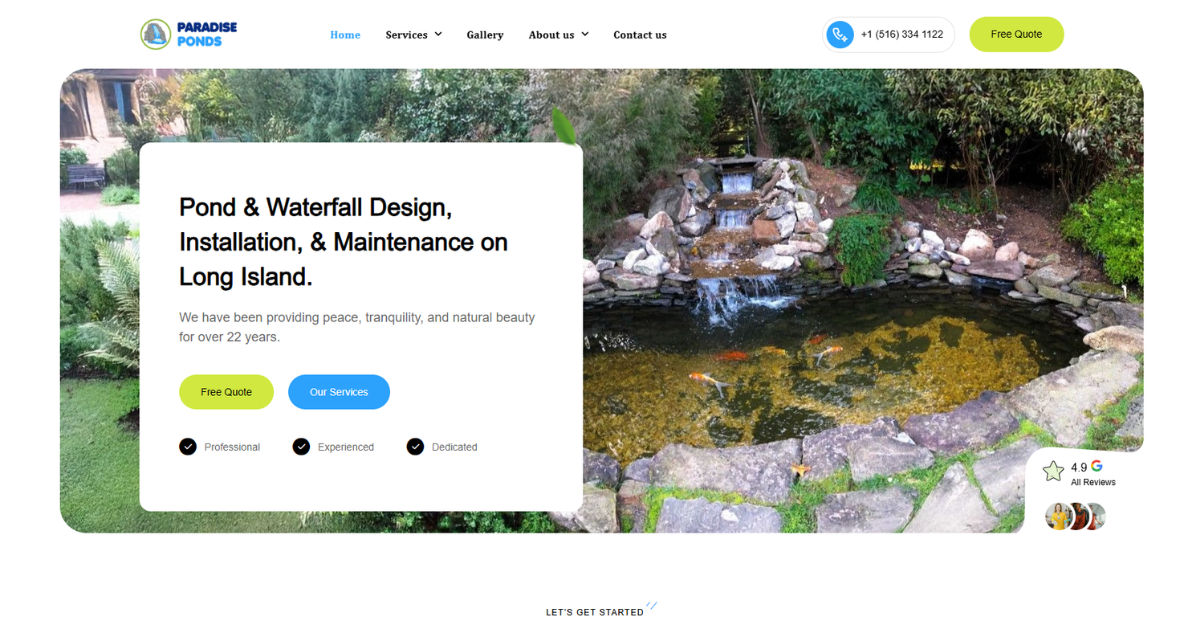
A pondless waterfall Long Island NY system is designed to recycle water through a hidden underground reservoir, making it safer, cleaner, and easier to manage than traditional ponds.
However, one critical factor often overlooked is drainage. Without proper drainage, even the most beautiful pondless waterfall Long Island NY setup can fail, causing water loss, soil erosion, pump damage, and costly repairs. That is why understanding drainage is essential for anyone planning a pondless waterfall Long Island NY project.
On Long Island, NY, where soil conditions, seasonal rainfall, and freeze-thaw cycles can be challenging, drainage becomes even more important. A well-planned pondless waterfall Long Island NY system depends on carefully engineered water flow pathways that prevent flooding and ensure long-term performance.
In this guide, we will explore why drainage matters so much for a pondless waterfall Long Island NY installation, how it works, common mistakes, and how to ensure your system lasts for years.
Pondless Waterfall System
A pondless waterfall Long Island NY system is a recirculating water feature where water flows over rocks or cascades and disappears into a hidden underground basin. From there, a pump pushes it back to the top, creating a continuous cycle.
Unlike traditional ponds, a pondless waterfall Long Island NY does not have an open body of water. Instead, the water is stored in a reservoir filled with gravel and protective liner systems.
The drainage system in a pondless waterfall Long Island NY is what allows water to return safely to the basin without flooding the surrounding landscape. Without proper drainage, water can pool, overflow, or escape into unwanted areas.
A properly designed pondless waterfall Long Island NY ensures:
- Efficient water recycling
- Clean and controlled flow
- Reduced evaporation loss
- Safe landscape integration
Drainage is the hidden backbone of every successful pondless waterfall Long Island NY installation.
Why Drainage Is Critical for Pondless Waterfall Long Island NY
Drainage is not just a technical detail—it is the foundation of performance for a pondless waterfall Long Island NY system.
When water flows downhill, gravity naturally pulls it into the reservoir. But without proper drainage planning, water may spread into soil, weaken the base, or overflow during heavy rains.
A pondless waterfall Long Island NY must handle both system water and natural rainfall. Long Island experiences seasonal storms, which means drainage must manage excess water safely.
Poor drainage in a pondless waterfall Long Island NY can lead to:
- Standing water around the feature
- Soil erosion near rocks
- Pump overload or failure
- Structural shifting of stones
- Algae growth due to stagnant water
A properly engineered pondless waterfall Long Island NY ensures water always returns to the reservoir efficiently, even during heavy rainfall.
Long Island Soil and Weather Challenges
One reason drainage is especially important for a pondless waterfall Long Island NY is the region’s unique environment.
Long Island soil varies between sandy and clay-heavy areas. Sandy soil drains quickly, while clay retains water. This variation directly impacts how a pondless waterfall Long Island NY system must be designed.
In sandy areas, water may drain too quickly away from the system, causing loss of reservoir balance in a pondless waterfall Long Island NY. In clay areas, water may pool and create pressure around the liner.
Weather is another factor. A pondless waterfall Long Island NY must handle:
- Heavy summer rainstorms
- Snow melt in winter
- Freeze-thaw expansion cycles
- Seasonal groundwater shifts
Without proper drainage design, these conditions can disrupt the performance of a pondless waterfall Long Island NY and shorten its lifespan.
How Drainage Works in a Pondless Waterfall System
The drainage system in a pondless waterfall Long Island NY works through a layered structure beneath the waterfall.
Typically, it includes:
- A basin filled with clean gravel
- An underground vault or reservoir
- Perforated pipes or void spaces
- A waterproof liner system
Water flows down the waterfall and collects in the gravel bed. From there, it moves into the reservoir of a pondless waterfall Long Island NY where it is stored and recirculated.
Proper drainage ensures that water:
- Does not stagnate
- Does not escape into surrounding soil
- Returns quickly to the pump system
- Maintains consistent flow
Without this system, a pondless waterfall Long Island NY would lose efficiency and create maintenance problems.
Common Drainage Problems in Pondless Waterfalls
Even well-built systems can fail if drainage is not properly designed. A pondless waterfall Long Island NY often experiences issues when installation shortcuts are taken.
Some common problems include:
1. Poor Basin Size
If the reservoir is too small, a pondless waterfall Long Island NY cannot handle water volume during storms or continuous operation.
2. Improper Liner Installation
A poorly sealed liner allows water to escape, weakening the efficiency of a pondless waterfall Long Island NY.
3. Clogged Gravel System
Debris and sediment can block water movement, reducing drainage efficiency in a pondless waterfall Long Island NY.
4. Incorrect Pump Placement
If the pump is not positioned correctly, circulation in a pondless waterfall Long Island NY becomes uneven.
5. Surface Overflow
Without proper grading, water may spill outside the intended area of a pondless waterfall Long Island NY.
Each of these issues can reduce the lifespan and performance of a pondless waterfall Long Island NY system.
Designing Proper Drainage for Long Island Conditions
To ensure long-term success, drainage must be carefully engineered for every pondless waterfall Long Island NY installation.
Key design considerations include:
Grading the Landscape
The ground must slope naturally toward the reservoir so a pondless waterfall Long Island NY collects water efficiently.
Using High-Quality Gravel
Clean, washed stone improves water flow in a pondless waterfall Long Island NY system.
Installing a Deep Basin
A deeper reservoir helps manage heavy rainfall in a pondless waterfall Long Island NY.
Adding Overflow Channels
Overflow paths protect the surrounding yard during extreme weather in a pondless waterfall Long Island NY.
Using Durable Liners
Strong liners prevent leakage and ensure stability in a pondless waterfall Long Island NY.
Good drainage design ensures that a pondless waterfall Long Island NY remains stable year-round.
Installation Steps and Drainage Integration
Installing a pondless waterfall Long Island NY requires careful planning from excavation to final setup.
Step 1: Excavation
A hole is dug to create space for the reservoir of the pondless waterfall Long Island NY.
Step 2: Base Preparation
A stable base layer ensures drainage stability in a pondless waterfall Long Island NY.
Step 3: Liner Placement
A waterproof liner is installed to prevent water loss in a pondless waterfall Long Island NY.
Step 4: Reservoir Construction
The basin is built using gravel and vault systems for the pondless waterfall Long Island NY.
Step 5: Pump Installation
The pump recirculates water in the pondless waterfall Long Island NY system.
Step 6: Rock and Waterfall Design
Natural stone is placed to guide water flow in the pondless waterfall Long Island NY.
Each step ensures proper drainage and long-term functionality of a pondless waterfall Long Island NY.
Maintenance and Drainage Care
Even though a pondless waterfall Long Island NY is low-maintenance, drainage systems still require care.
Regular maintenance includes:
- Cleaning debris from rocks
- Checking pump function
- Inspecting water levels
- Flushing gravel if needed
- Ensuring overflow paths are clear
Proper maintenance keeps the drainage system efficient in a pondless waterfall Long Island NY and prevents costly repairs.
Ignoring maintenance can lead to reduced flow and water imbalance in a pondless waterfall Long Island NY.
Cost Implications of Poor Drainage
Many homeowners underestimate how drainage affects long-term cost in a pondless waterfall Long Island NY.
Poor drainage leads to:
- Pump replacements
- Liner repairs
- Landscape damage
- Water waste
- Structural rebuilding
A properly designed pondless waterfall Long Island NY may cost more upfront, but it saves money over time by preventing these issues.
Good drainage is an investment in durability for any pondless waterfall Long Island NY project.
Common Mistakes Homeowners Make
Homeowners often make simple mistakes when installing a pondless waterfall Long Island NY:
- Choosing aesthetics over function
- Ignoring soil type
- Using undersized basins
- Skipping overflow planning
- Poor pump selection
Each mistake affects drainage performance in a pondless waterfall Long Island NY system.
Avoiding these errors ensures long-term success and reduces maintenance needs for a pondless waterfall Long Island NY.
Environmental Benefits of Proper Drainage
A well-designed pondless waterfall Long Island NY also benefits the environment.
Proper drainage:
- Prevents soil erosion
- Reduces water waste
- Supports healthier landscaping
- Avoids flooding nearby areas
- Encourages sustainable water use
This makes a pondless waterfall Long Island NY an eco-friendly choice when built correctly.
Drainage ensures that water is reused efficiently in a pondless waterfall Long Island NY, minimizing environmental impact.
Conclusion
Drainage is the most important but often overlooked part of a pondless waterfall Long Island NY installation. Without proper drainage, even the most beautiful design can fail due to overflow, erosion, or system breakdown.
A well-engineered pondless waterfall Long Island NY depends on carefully planned water movement, soil management, and reservoir design. On Long Island, where weather and soil conditions vary greatly, drainage becomes even more critical for long-term success.
From installation to maintenance, every stage of a pondless waterfall Long Island NY must prioritize drainage efficiency. When done correctly, it ensures smooth water flow, low maintenance, and long-lasting beauty.
Investing in proper drainage means investing in durability, safety, and performance. A professionally designed pondless waterfall Long Island NY can transform any landscape into a peaceful, natural retreat that lasts for years without major issues.
In the end, drainage is not just a technical requirement—it is the foundation that makes a pondless waterfall Long Island NY truly successful.
