
 AsimAli
Legal problems can arise at any stage of life. Whether you are dealing with a family disagreement, a property dispute, a business issue, or an employment matter, understanding your legal rights is important. Many people wait until a problem becomes serious before seeking professional legal advice. However, contacting a lawyer at the right time can help prevent unnecessary complications and protect your interests.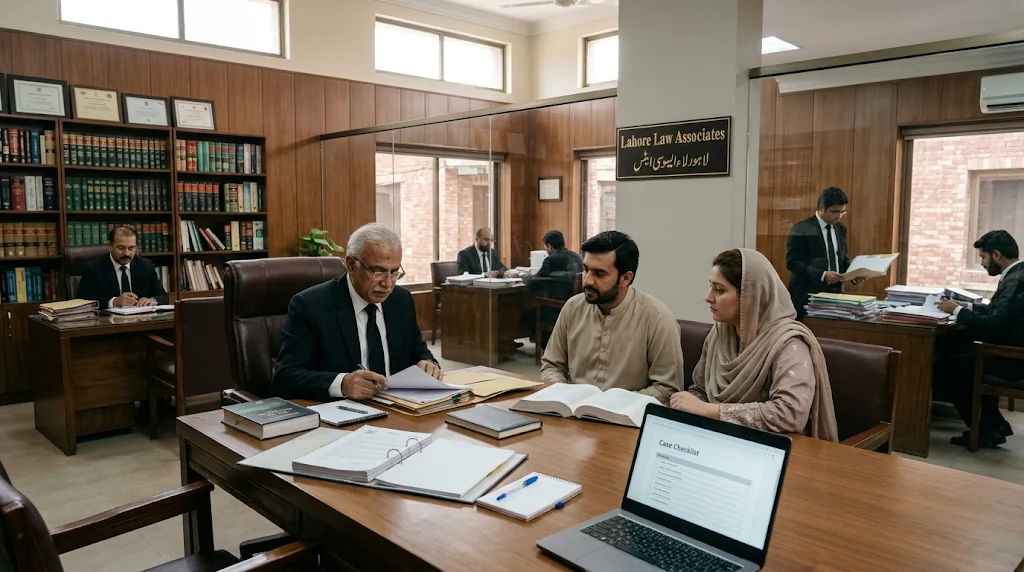
Knowing when to approach a Law Firm in Lahore Pakistan can make a significant difference in how you handle legal challenges. Professional legal guidance can help you understand complicated laws, prepare important documents, communicate with other parties, and take appropriate action when necessary. Even if you are unsure whether your situation requires legal representation, an initial consultation can help you understand your available options.
Lahore is one of Pakistan's major commercial, educational, and residential centres. Its residents and businesses deal with different legal matters, ranging from property transactions and family disputes to corporate agreements and civil litigation. Understanding the situations that require professional assistance can help you make informed decisions and avoid mistakes.
When Legal Assistance Is Necessary
Not every disagreement requires a court case. Some problems can be resolved through discussion, negotiation, or written agreements. However, certain situations involve legal rights, financial responsibilities, or official procedures that require professional attention.
A lawyer can assess your circumstances, explain relevant laws, and recommend an appropriate course of action.
When You Receive a Legal Notice
Receiving a legal notice is one of the clearest situations in which you should consider contacting a lawyer.
A legal notice may involve unpaid debts, contractual disagreements, property disputes, business conflicts, or other legal claims. It usually communicates that another party believes you have violated an agreement or legal obligation.
Ignoring such a notice can create additional problems. Depending on the circumstances, the other party may initiate legal proceedings.
A lawyer can review the notice, explain its meaning, assess the allegations, and help prepare an appropriate response. You should also preserve related documents, messages, receipts, and agreements.
When Someone Violates Your Legal Rights
You should seek legal advice when another individual, organisation, or business interferes with your lawful rights.
Examples include:
-
Someone refusing to return money they borrowed.
-
A business failing to honour a written agreement.
-
An employer withholding legally owed payments.
-
Another person occupying property without lawful authority.
-
Someone using your business identity or intellectual property without permission.
These situations may require negotiation, formal correspondence, or legal proceedings.
An experienced lawyer can help identify the available remedies and explain which steps are appropriate under Pakistani law.
Contact a Lawyer Before Buying or Selling Property
Property transactions involve significant financial commitments. A small mistake in ownership documents or contractual conditions can create long-term complications.
Lahore has an active property market, including residential houses, apartments, commercial buildings, and agricultural land. Buyers and sellers should understand their legal responsibilities before completing a transaction.
Before Purchasing a House or Plot
Before purchasing property, consult a lawyer who understands property and land laws.
A legal professional can help examine ownership records, verify relevant documents, and identify potential disputes or restrictions.
Important documents may include:
-
Sale deeds.
-
Allotment letters.
-
Transfer documents.
-
Ownership records.
-
Previous transaction agreements.
-
Relevant authority approvals.
The exact documents depend on the property type and the authority responsible for maintaining its records.
A lawyer can also help determine whether the seller has the legal authority to transfer ownership.
When You Face an Ownership Dispute
Property disagreements can develop between family members, business partners, neighbours, or previous owners.
For example, two individuals may claim ownership of the same property. A family may disagree about inheritance shares, or someone may refuse to vacate land despite the existence of ownership documents.
These disputes can become complicated if the parties delay taking appropriate action.
A Law Firm in Lahore Pakistan can review available evidence, explain possible legal remedies, and assist with negotiations or court proceedings where necessary.
When Dealing With Inherited Property
Inheritance matters frequently involve multiple legal heirs and questions about ownership distribution.
Disagreements may arise when family members misunderstand their legal shares, dispute property documents, or disagree about selling inherited assets.
A lawyer can explain the applicable inheritance rules, identify the necessary documentation, and help the parties follow the appropriate legal process.
Seeking advice early can reduce misunderstandings and help protect the rights of all concerned individuals.
When Should You Contact a Lawyer for Family Matters?
Family disputes can be emotionally challenging because they involve personal relationships, financial responsibilities, and important family decisions.
Professional legal advice can help individuals understand their rights while approaching sensitive situations carefully.
During Divorce or Separation
If you are considering divorce or facing separation-related legal questions, speaking with a family lawyer can help you understand the relevant procedures.
In Pakistan, family matters are governed by applicable laws, including the Muslim Family Laws Ordinance, 1961, and other relevant legislation, depending on the circumstances.
A lawyer can explain issues such as:
-
Divorce procedures.
-
Legal documentation.
-
Maintenance responsibilities.
-
Child custody arrangements.
-
Financial claims.
-
Related family court proceedings.
It is important to obtain advice before signing documents or making agreements that could affect your legal rights.
When Facing Child Custody Disputes
Child custody matters require careful consideration because decisions can affect a child's welfare and family relationships.
Parents may disagree about living arrangements, education, financial support, or visitation.
Pakistani courts generally consider the welfare of the child when deciding custody matters.
A family lawyer can explain the relevant legal principles, help organise supporting documents, and represent a parent during legal proceedings when required.
When Dealing With Maintenance Issues
Maintenance disputes may arise between spouses or involve financial support for children.
If someone refuses to meet an applicable legal responsibility, professional advice can help clarify the available options.
A lawyer can explain the process for pursuing a claim, preparing evidence, and approaching the relevant family court.
Early guidance can help prevent misunderstandings and unnecessary delays.
When Your Business Faces Legal Problems
Business owners regularly enter agreements, hire employees, purchase services, and communicate with customers or suppliers.
These activities can create legal responsibilities. A misunderstanding or poorly prepared agreement may result in financial losses or disputes.
Contacting a business lawyer before a problem develops can help protect your organisation.
Before Starting a New Business
Starting a business involves several legal and administrative decisions.
You may need to determine an appropriate business structure, prepare registration documents, understand tax responsibilities, and comply with applicable regulatory requirements.
A lawyer can help you understand the legal implications of different business arrangements.
This guidance is particularly useful when starting a partnership, establishing a company, or entering a business arrangement with investors.
When Preparing Business Contracts
Contracts explain the responsibilities and expectations of the parties involved in a business relationship.
A poorly written agreement may create confusion about payment terms, delivery obligations, deadlines, confidentiality, or dispute resolution.
Before signing an important contract, ask a lawyer to review its conditions.
Professional assistance can help identify unclear clauses, missing responsibilities, and potentially unfavourable terms.
When a Business Partner Breaks an Agreement
Partnership disagreements can involve financial contributions, profit distribution, management responsibilities, or ownership interests.
If a partner fails to follow an agreed arrangement, you should consider obtaining legal advice.
A lawyer can examine the partnership agreement, review relevant financial records, and explain whether negotiation, mediation, or legal proceedings may be appropriate.
When Facing Criminal or Police-Related Matters
Criminal allegations require particular attention because they can affect personal freedom, reputation, and legal rights.
If you are contacted by the police regarding an investigation or receive information about a criminal complaint, obtaining advice from a qualified criminal lawyer is important.
When You Are Accused of a Criminal Offence
An accusation does not automatically establish guilt. Every person is entitled to the protections provided by applicable law.
If you are accused of an offence, a lawyer can explain the legal process, review relevant information, and help protect your procedural rights.
You should avoid making assumptions about the case or signing unfamiliar legal documents without understanding their contents.
When a Family Member Is Arrested
An arrest can create confusion and anxiety for family members.
Professional legal guidance can help relatives understand the relevant procedures and identify the appropriate steps.
A criminal lawyer may assist with matters involving bail, court appearances, documentation, and communication through lawful channels.
When You Need Help Understanding Police Procedures
People may contact a lawyer when they are unsure how to respond to a police complaint, investigation, or other official communication.
Legal advice can help clarify the appropriate procedure and explain the rights and responsibilities of the individuals involved.
The specific approach depends on the nature of the matter and the applicable law.
When You Experience Employment-Related Disputes
Employment disagreements can affect both employees and employers.
Issues involving salaries, termination, workplace responsibilities, and contractual conditions may require legal attention.
When Your Employer Withholds Salary
If an employer fails to pay an agreed salary or other legally owed employment benefits, you may need professional advice.
A lawyer can examine your employment agreement, payment records, and communication with the employer.
Depending on your employment category and applicable legislation, different legal remedies or forums may be available.
When You Face Unfair Termination
Employment termination can create legal questions, particularly when contractual conditions or applicable labour protections are involved.
If you believe your employment was terminated unlawfully, consult a lawyer to understand your options.
Keep copies of your appointment letter, employment agreement, salary slips, termination notice, and relevant correspondence.
These records may help establish the circumstances of the dispute.
When Preparing Employment Agreements
Employers should also seek legal assistance when preparing employment contracts and workplace policies.
Clear agreements can explain salary arrangements, working responsibilities, confidentiality obligations, leave policies, and termination conditions.
Professional review can reduce the risk of future disagreements.
When You Need Help With Civil Litigation
Civil disputes involve disagreements about private rights, responsibilities, property, money, and contractual obligations.
Some matters can be settled outside court, while others require formal legal proceedings.
When Someone Refuses to Repay a Loan
Financial disagreements are common between individuals, relatives, and business partners.
If someone refuses to repay money despite an agreement, you should consider consulting a lawyer.
Relevant evidence may include bank transfers, signed agreements, receipts, and written communications.
A lawyer can assess the evidence and explain the available legal options.
When You Face a Neighbourhood Dispute
Neighbourhood disagreements can involve property boundaries, access rights, construction issues, or other concerns.
Although many disputes can be resolved through discussion, some involve legal rights that require professional assistance.
A lawyer can review the situation and explain whether formal action is necessary.
When You Need to File a Civil Claim
If another person or organisation has caused a legal or financial loss, you may have grounds to consider a civil claim.
However, not every disagreement automatically creates a valid legal case.
A lawyer can assess the facts, identify the relevant legal provisions, and explain the possible outcomes, costs, and procedural requirements.
Why You Should Seek Legal Advice Early
One of the most common mistakes people make is waiting until a legal dispute becomes difficult to manage.
Early legal advice can help individuals understand their responsibilities and avoid unnecessary complications.
Preventing Costly Mistakes
Legal documents often contain conditions that are difficult to understand without professional knowledge.
Signing an agreement without reviewing its terms may create obligations that are difficult to change later.
A lawyer can explain important clauses and highlight possible risks before you make a decision.
Understanding Your Legal Rights
Many people are unfamiliar with the laws that apply to their personal or professional circumstances.
A legal professional can explain your rights in straightforward language and help you understand the available options.
This knowledge makes it easier to make informed decisions.
Protecting Important Evidence
Evidence plays an important role in many legal disputes.
Documents, photographs, payment records, official correspondence, and other relevant materials may help establish what happened.
A lawyer can advise you about preserving and organising evidence properly.
Avoiding Unnecessary Court Proceedings
Not every legal problem needs to end in court.
Depending on the circumstances, negotiation, mediation, or another lawful dispute-resolution method may provide a practical solution.
Early legal advice can help determine whether an alternative approach is suitable.
How to Choose the Right Law Firm in Lahore Pakistan
Choosing legal representation requires careful consideration. Different lawyers have different areas of experience, and the right professional should understand the nature of your particular problem.
Identify Your Legal Requirements
Start by understanding the type of legal assistance you need.
For example, a property dispute may require a lawyer experienced in property matters, while a divorce or custody issue requires knowledge of family law.
Similarly, businesses may benefit from lawyers who understand corporate and commercial regulations.
Choosing someone familiar with the relevant area can make communication and case preparation more effective.
Check Professional Qualifications
Before appointing a lawyer, check their professional credentials and relevant enrolment with the appropriate bar council.
You should also consider their practical experience, communication skills, and understanding of the legal issue.
Do not rely entirely on advertising claims or promises of guaranteed results.
Discuss Fees and Expenses
Legal services may involve consultation charges, professional fees, documentation expenses, and court-related costs.
Ask for a clear explanation of the expected expenses before proceeding.
Understanding the fee arrangement can help prevent misunderstandings later.
Evaluate Communication
A good lawyer should explain complicated legal matters in language you can understand.
They should also clarify important deadlines, procedural requirements, and possible risks.
Choose someone who responds professionally and gives realistic information about your case.
Avoid Guaranteed Results
No responsible legal professional can guarantee the outcome of every case.
Court decisions depend on evidence, applicable laws, arguments, and other circumstances.
Be cautious of anyone promising certain success without reviewing the relevant facts.
Documents to Prepare Before Meeting a Lawyer
Preparing relevant documents before your consultation can help make the discussion more productive.
The required paperwork depends on the nature of your legal issue.
However, some commonly useful materials include:
-
Your national identity documentation, where relevant.
-
Property ownership or transfer documents.
-
Signed agreements and contracts.
-
Financial statements and payment receipts.
-
Court notices or legal correspondence.
-
Employment records.
-
Relevant messages and emails.
-
Police reports or official documents, where applicable.
Organise the documents according to dates and events.
Prepare a short explanation of what happened, when it happened, and what outcome you are seeking.
Never alter or destroy documents that may be relevant to an ongoing dispute.
Questions to Ask During Your First Legal Consultation
Your first meeting is an opportunity to understand how a lawyer may handle your matter.
Asking clear questions can help you decide whether the professional is suitable.
What Is the Legal Position of My Case?
Ask the lawyer to explain how the relevant laws apply to your circumstances.
You should understand the strengths, weaknesses, and possible complications of your situation.
What Options Are Available?
Ask whether your matter can be addressed through negotiation, formal correspondence, mediation, or court proceedings.
Understanding the alternatives can help you make a practical decision.
How Long Could the Process Take?
Legal proceedings can take different amounts of time depending on the court, case complexity, evidence, and procedural requirements.
A lawyer may provide an estimated timeline but should explain that delays are possible.
What Will the Legal Services Cost?
Discuss professional fees, additional expenses, and payment arrangements.
Ask whether different stages of the matter involve separate charges.
What Should I Do Next?
Before ending the consultation, make sure you understand the immediate steps you need to take.
These may include collecting additional documents, responding to a notice, meeting a deadline, or avoiding certain actions until the lawyer has reviewed the situation.
Common Mistakes to Avoid When Handling Legal Problems
People sometimes make decisions that unintentionally weaken their legal position.
Understanding these mistakes can help you approach difficult situations more carefully.
Ignoring Official Notices
Never assume that a legal notice or court communication will disappear if you ignore it.
Review the document and seek advice about any response deadlines.
Relying Only on Verbal Agreements
Verbal arrangements can create misunderstandings, particularly when significant financial responsibilities are involved.
Where appropriate, use properly prepared written agreements that clearly explain the terms.
Sharing Incomplete Information With Your Lawyer
Your lawyer needs accurate information to assess your situation.
Withholding important facts can make it harder to provide suitable advice.
Explain the circumstances honestly, including details that may seem unfavourable.
Waiting Too Long to Seek Assistance
Some legal matters involve limitation periods, statutory deadlines, or specific procedural requirements.
Delaying professional advice may affect the options available to you.
Choosing Representation Based Only on Low Fees
Affordable services are important, but legal representation should also be evaluated through qualifications, relevant experience, communication, and professional conduct.
The cheapest option is not necessarily the most suitable one.
Conclusion
Knowing when to contact a lawyer is an important part of protecting your legal rights and making responsible decisions. Whether you are facing a property disagreement, family issue, business conflict, employment problem, criminal allegation, or civil dispute, professional guidance can help you understand the appropriate steps.
You should consider contacting a Law Firm in Lahore Pakistan whenever a situation involves important legal responsibilities, financial interests, official notices, contractual obligations, or possible court proceedings. Seeking advice before signing agreements, purchasing property, entering business partnerships, or responding to legal claims can also help prevent avoidable complications.
The most important thing is not to wait until a manageable issue becomes a serious legal dispute. Keep relevant documents organised, communicate honestly with your lawyer, understand the available options, and pay attention to official deadlines.
When selecting legal representation, consider professional qualifications, relevant experience, transparent fees, and effective communication. Make sure the lawyer understands your particular circumstances and provides realistic advice rather than unrealistic promises.
Legal problems can be stressful, but making informed decisions can help you approach them with greater confidence. By seeking appropriate assistance at the right time, individuals, families, and businesses in Lahore can better protect their interests and work towards fair and lawful solutions.

 quadro_bike
 ahead_time