
 AsimAli
Converting a PDF to text format has become one of the most useful digital skills in today’s world. A PDF to text process allows users to extract readable and editable content from documents that are normally locked in a fixed layout.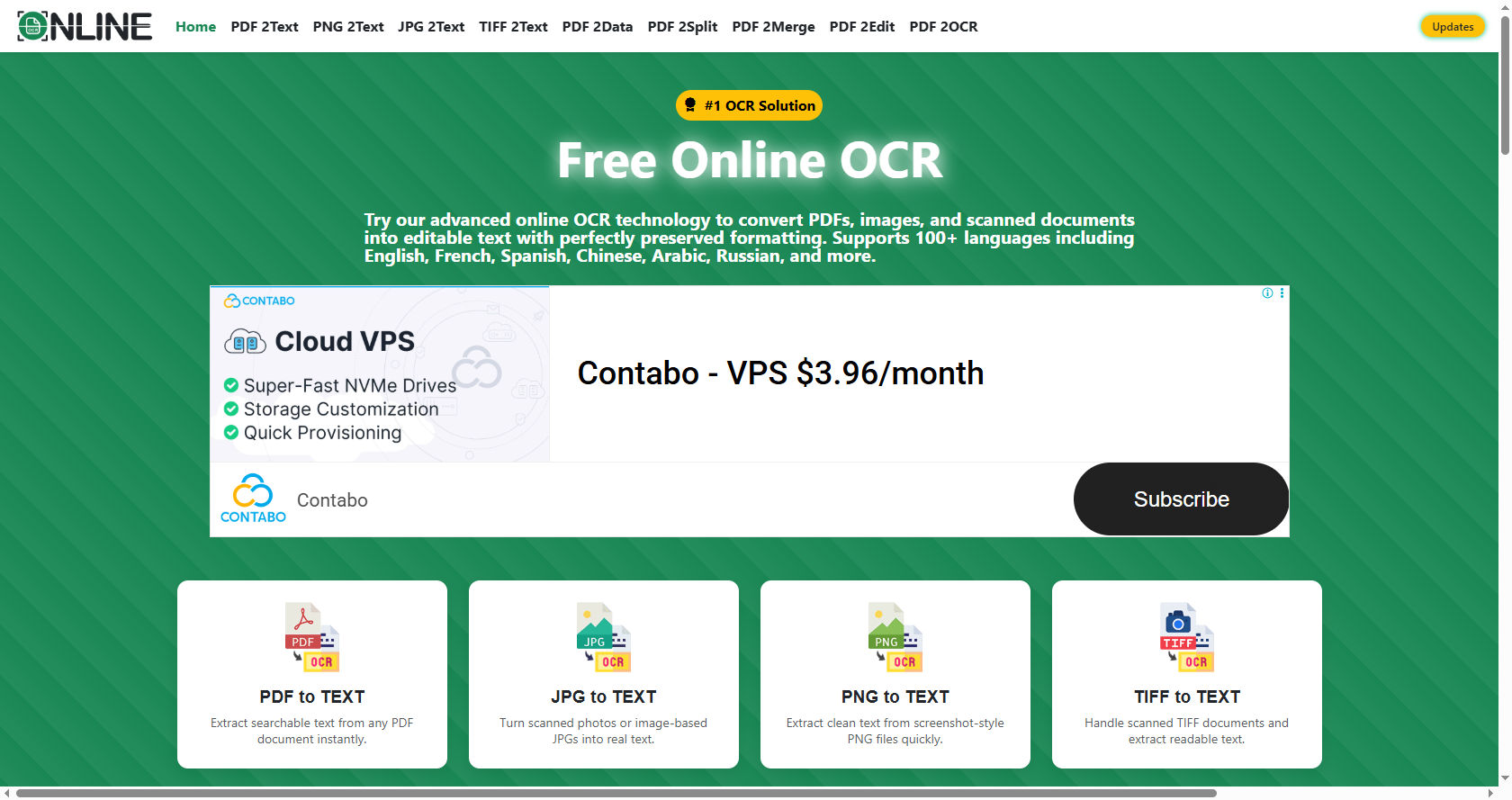
When you convert a PDF to text, you turn static information into flexible data that can be reused, edited, and analyzed easily. Many students, office workers, researchers, and businesses rely on PDF to text conversion to save time and improve productivity.
In simple terms, a PDF to text conversion helps transform complicated or non-editable files into plain text that computers and humans can process more efficiently. This guide explains why this process matters, how it works, and what benefits it offers in real-life situations.
Understanding PDF and Text Formats
Before we explore the importance of PDF to text, it is important to understand the difference between these two formats.
A PDF (Portable Document Format) is designed to preserve layout. It keeps fonts, images, spacing, and structure consistent across all devices. However, this strength also makes it difficult to edit.
On the other hand, plain text format is simple. It contains only characters without formatting or design elements. A PDF to text conversion removes complex structures and keeps only readable content.
When you perform a PDF to text conversion, you are essentially simplifying information so it can be reused more efficiently.
Why People Convert PDF to Text
There are many reasons why people choose PDF to text conversion in daily life.
One major reason is editing. PDFs are often locked or difficult to modify. With PDF to text, users can easily change content.
Another reason is data extraction. Businesses often need important information from reports, invoices, or research papers. A PDF to text process makes this possible.
Searchability is another benefit. Text files are easier to search compared to PDFs. After a PDF to text conversion, finding keywords becomes faster and more accurate.
Key Benefits of PDF to Text Conversion
1. Easy Editing and Modification
One of the biggest advantages of PDF to text conversion is editing flexibility. Once converted, users can change sentences, fix errors, or add new information.
Without PDF to text, editing a PDF usually requires expensive software.
2. Better Search Functionality
Searching inside a PDF can sometimes be slow or limited. After PDF to text conversion, you can quickly search any word or phrase.
This makes PDF to text extremely useful for students and researchers who handle large documents.
3. Improved Accessibility
Many assistive tools, such as screen readers, work better with text files. A PDF to text conversion helps visually impaired users access content easily.
This is one of the most important social benefits of PDF to text technology.
4. Data Analysis and Processing
Businesses often need to analyze large documents. With PDF to text, data can be processed using software tools.
For example, financial reports can be converted using PDF to text and then analyzed in spreadsheets.
5. Storage Efficiency
Text files are much smaller than PDFs. When you use PDF to text, you reduce file size and save storage space.
This is especially useful for organizations handling thousands of documents.
6. Compatibility Across Systems
Not all systems read PDFs efficiently. However, PDF to text ensures compatibility across almost all devices and platforms.
A simple PDF to text file can be opened on any basic text editor.
How PDF to Text Conversion Works
The process of PDF to text conversion may seem simple, but it involves several steps.
First, the system reads the PDF structure. Then it identifies characters, words, and layout elements. After that, it removes formatting and extracts raw text.
Modern PDF to text tools use OCR (Optical Character Recognition) when dealing with scanned documents. OCR helps recognize printed or handwritten text.
Without OCR, PDF to text conversion would only work on digital PDFs.
Types of PDF to Text Conversion
1. Simple Digital PDF to Text
This type of PDF to text works on documents created digitally. The text is already embedded, so conversion is accurate.
2. OCR-Based PDF to Text
This method is used for scanned images. OCR scans the image and converts it into editable text through PDF to text processing.
3. Batch PDF to Text Conversion
Businesses often use batch processing to convert multiple files at once. This advanced PDF to text method saves time and increases efficiency.
Common Uses of PDF to Text Conversion
Academic Use
Students use PDF to text for extracting notes, research papers, and study material. It helps in rewriting and summarizing content.
Business Use
Companies use PDF to text for invoices, contracts, and reports. It allows quick editing and data analysis.
Research Use
Researchers rely on PDF to text to collect data from multiple sources and organize information efficiently.
Content Creation
Writers often use PDF to text to repurpose content into blogs, articles, or scripts.
Challenges in PDF to Text Conversion
Although PDF to text is very useful, it has some challenges.
One common issue is formatting loss. When converting PDF to text, tables and images may not transfer properly.
Another issue is OCR accuracy. If the scanned document is unclear, PDF to text tools may produce errors.
Language complexity can also affect PDF to text quality, especially with handwritten documents.
Tools Used for PDF to Text Conversion
There are many tools available for PDF to text conversion.
Some are online tools, while others are software-based. Online tools are fast and convenient for quick PDF to text tasks.
Software tools offer better accuracy and advanced features like batch processing and OCR.
Choosing the right PDF to text tool depends on your needs.
Best Practices for PDF to Text Conversion
To get the best results from PDF to text, follow these practices:
- Use high-quality PDFs for better PDF to text accuracy
- Choose OCR tools for scanned files
- Check output carefully after PDF to text conversion
- Use formatting tools if needed after PDF to text
- Select reliable software for large projects
These steps ensure smooth and accurate PDF to text results.
Importance of PDF to Text in Modern Technology
In today’s digital world, PDF to text plays a major role in information processing.
Artificial intelligence systems also rely on PDF to text conversion to read and understand documents.
Without PDF to text, automation in document processing would be much slower.
Many modern applications depend on PDF to text to function efficiently.
Future of PDF to Text Technology
The future of PDF to text is very promising. With improvements in AI and machine learning, accuracy will continue to improve.
Future PDF to text systems will likely understand context, not just characters.
This means PDF to text tools will become smarter and more reliable.
We may also see real-time PDF to text conversion integrated into everyday applications.
Conclusion
The importance of PDF to text conversion cannot be ignored in today’s digital world. It helps users edit documents, extract information, and improve accessibility. Whether you are a student, professional, or researcher, PDF to text makes handling documents easier and more efficient.
From data analysis to content creation, PDF to text plays a key role in simplifying complex information. It reduces file size, improves compatibility, and enhances productivity. Although there are some challenges, modern tools continue to improve the accuracy of PDF to text conversion.
As technology advances, PDF to text will become even more powerful and intelligent, making document processing faster and more reliable for everyone.
