
 AsimAli
Planning a wedding is a beautiful and exciting journey, but it can also feel overwhelming. One of the most crucial parts of the wedding planning process is managing your RSVPs.
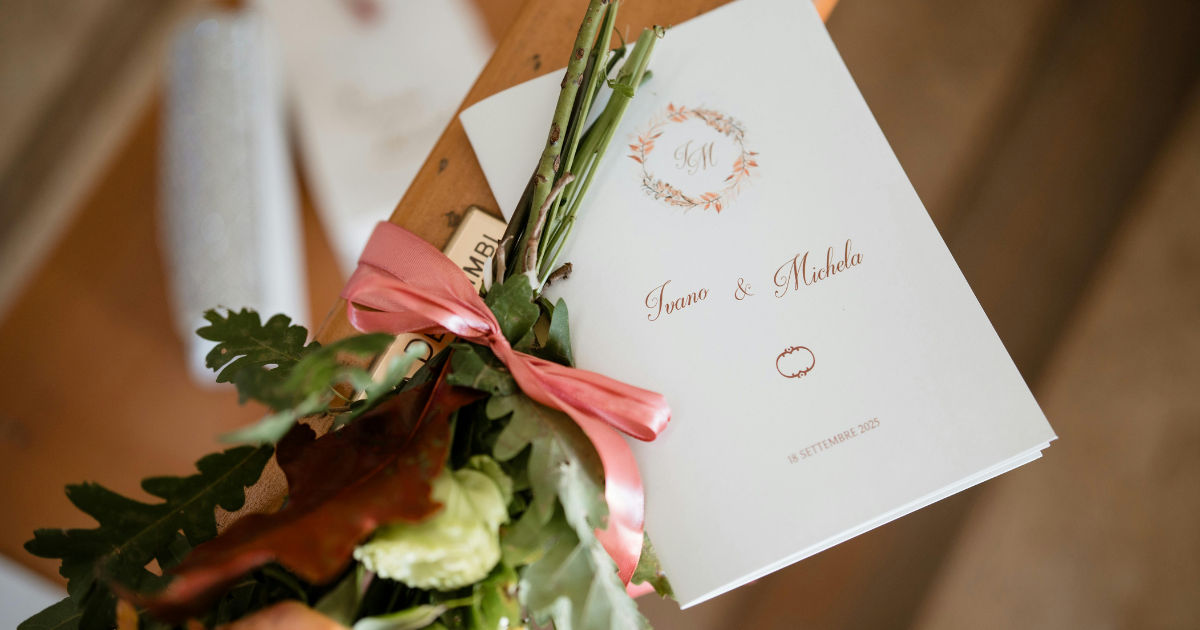
Your wedding card is not just an invitation; it is the first interaction your guests have with your big day, and the information you request can greatly influence the smoothness of your event. Understanding what to ask on RSVPs, why it matters, and how to organize responses can save you stress and help create an enjoyable experience for everyone involved.
In this comprehensive guide, we’ll explore all aspects of RSVP information, the types of questions you should ask guests, and practical advice for keeping everything organized.
By the end, you will have a full understanding of how to use your wedding card and RSVP system effectively to plan a flawless celebration.
Why RSVP Info Matters
RSVPs are more than a simple yes or no. They help you determine your guest count, dietary needs, seating arrangements, and overall wedding logistics. Without accurate RSVP information, planning becomes guesswork, which can be stressful and costly.
Your wedding card sets the tone for your RSVP process. When designed thoughtfully, it communicates clear expectations to your guests and encourages prompt responses. A well-crafted wedding card ensures that the information you receive is complete and accurate, helping you plan catering, favors, and seating without unnecessary complications.
Reducing Stress for the Couple
Asking the right questions on your RSVP reduces confusion and stress. For example, knowing who will attend allows you to plan table arrangements efficiently. It also helps caterers prepare the right amount of food, avoiding waste or shortages. Accurate RSVPs mean fewer last-minute surprises and more time to focus on enjoying the big day.
Respecting Your Guests’ Time
Guests appreciate clarity. A wedding card that clearly communicates RSVP details saves them time and ensures they understand what is expected. When the questions are straightforward, guests can respond quickly, reducing back-and-forth communication and potential misunderstandings.
Essential RSVP Questions to Ask
When designing your RSVP card or online RSVP system, the questions you ask should provide essential information without overwhelming your guests. Below is a breakdown of the most important details to collect.
1. Attendance Confirmation
The most basic question is whether the guest will attend the wedding. This is a simple yes or no choice but is foundational for all planning.
-
Why it matters: Attendance confirmation informs your headcount for catering, seating, and venue planning.
-
How to phrase it: “Will you attend our wedding celebration?” with options “Yes, I will attend” and “No, I am unable to attend.”
2. Meal Preferences
If your wedding includes a catered meal or buffet, it’s essential to know what each guest prefers.
-
Why it matters: This ensures guests are satisfied and that dietary restrictions are accommodated.
-
How to phrase it: Offer options such as chicken, beef, vegetarian, or vegan. Include a line for allergies or special dietary needs.
3. Number of Guests Attending
Some guests will bring a plus-one or family members. Clarifying the number of attendees is important.
-
Why it matters: Accurate numbers help with seating charts, catering counts, and even transportation if needed.
-
How to phrase it: “Please indicate the total number of attendees in your party.”
4. Contact Information
Collecting updated contact details ensures you can communicate changes or updates before the wedding.
-
Why it matters: It allows for reminders, updates, or last-minute changes to reach guests efficiently.
-
How to phrase it: “Please provide your phone number or email address for RSVP confirmation.”
5. Song Requests or Entertainment Preferences
Optional, but asking guests about music or entertainment preferences can help you create a more enjoyable experience.
-
Why it matters: Personalized touches make guests feel valued and ensure the party atmosphere is engaging.
-
How to phrase it: “Do you have any song requests for our celebration?”
6. Accommodation Needs
If many guests are traveling, knowing their accommodation requirements can be helpful.
-
Why it matters: Helps you coordinate room blocks, transportation, and guest convenience.
-
How to phrase it: “Will you require assistance with accommodations?” with options for yes or no.
7. Transportation Needs
For large venues or destination weddings, transportation can be an important consideration.
-
Why it matters: Planning shuttles or parking ensures guests arrive on time and reduces stress on the couple.
-
How to phrase it: “Will you need transportation to or from the venue?”
8. Special Considerations
Include a section for additional notes or concerns from guests.
-
Why it matters: It allows guests to communicate anything that wasn’t covered in the standard questions, from mobility needs to surprise celebrations.
How to Collect RSVPs
Once you know what information to ask for, the next step is collecting it efficiently.
Traditional Paper RSVP Cards
Your wedding card can include a small RSVP card that guests mail back. This is classic, tangible, and elegant, but it requires proper planning.
-
Design Tips: Keep the card simple and clearly labeled. Include a self-addressed, stamped envelope to make responding easier.
-
Advantages: Physical keepsake for the couple, fits traditional wedding aesthetics.
-
Disadvantages: Slower response time, risk of lost mail.
Online RSVP Systems
Digital RSVPs are increasingly popular and convenient. Many couples use wedding websites, The Knot, or other platforms.
-
Advantages: Immediate responses, easy tracking, less paper waste, and can include dynamic questions.
-
Disadvantages: Not all guests may be tech-savvy, especially older family members.
Hybrid Approach
Combining paper RSVP cards with an online option allows guests to choose their preferred method.
-
Why it works: Flexibility increases response rates and ensures no one is excluded.
How to Encourage Guests to Respond
Collecting RSVP information is only effective if guests actually respond. Clear communication and gentle reminders are key.
Set a Clear Deadline
Include a response deadline on your wedding card. Give guests at least four to six weeks before the wedding to reply.
-
Why it matters: Allows ample time for catering, seating, and other planning needs.
Send Reminders
A week or two before the deadline, send polite reminders via email, text, or phone.
-
Pro Tip: Personalize reminders for guests who haven’t responded to increase response rates.
Make It Easy
Provide pre-addressed, stamped envelopes for paper RSVPs and a simple link for online responses.
-
Why it matters: The easier it is for guests to respond, the more likely they will do so promptly.
Organizing RSVP Information
Once RSVPs start arriving, organization is critical. Proper tracking ensures you don’t lose information and can plan effectively.
Create a Guest List Spreadsheet
Use a spreadsheet to record each guest’s response, meal choice, and special notes. Include columns for:
-
Guest Name
-
Attendance (Yes/No)
-
Number of Guests
-
Meal Preference
-
Contact Information
-
Accommodation Needs
-
Transportation Needs
-
Additional Notes
Monitor Responses Regularly
Check your spreadsheet as RSVPs arrive. Update it weekly to track trends and ensure no guest is missed.
Communicate with Vendors
Once you have a finalized guest list and meal counts, share this information with your caterer, venue, and other vendors. Accurate RSVPs prevent errors on the wedding day.
Common RSVP Mistakes to Avoid
Even experienced couples can make mistakes with RSVPs. Being aware of common pitfalls can help you avoid them.
Vague Questions
Avoid ambiguous wording on your RSVP card. Clear questions yield clear answers.
Late Deadlines
Setting deadlines too close to the wedding leaves little time for planning.
Overcomplicating the Process
Too many questions can overwhelm guests. Stick to essential information while offering optional sections for additional notes.
Forgetting to Track Responses
Even the best RSVP system fails if responses are not monitored. Keep meticulous records to avoid confusion.
Tips for a Smooth RSVP Process
-
Use clear, concise wording on your wedding card.
-
Offer multiple ways to respond.
-
Set a reasonable deadline and remind guests politely.
-
Keep an organized record of responses.
-
Communicate your needs to vendors promptly.
How the Knot Can Help
Platforms like The Knot provide excellent tools for managing RSVPs. Couples can create a wedding website, send digital invitations, and track responses all in one place. These tools often include automated reminders, meal choice tracking, and guest list organization. Using such resources can reduce stress and allow you to focus on enjoying your wedding.
Conclusion
RSVP information is a critical part of wedding planning. Your wedding card is not just a beautiful invitation; it is also a functional tool for gathering the details needed to plan a flawless celebration. By asking the right questions—attendance, meal preferences, guest numbers, accommodations, and transportation—you can ensure that your wedding runs smoothly and that your guests are comfortable and well-informed.
Collecting RSVPs efficiently, whether through paper cards, online systems, or a combination of both, ensures accurate planning. Setting clear deadlines, sending reminders, and keeping organized records further simplifies the process. Avoiding common mistakes like vague questions, overcomplication, and poor tracking is essential to a stress-free experience.
Finally, using resources like The Knot can help streamline the RSVP process, making it easier to manage guest responses and communicate effectively. With careful planning, clear communication, and thoughtful questions on your wedding card, you can gather all the information you need and enjoy the wedding day without unnecessary stress.
By understanding the importance of RSVP details and how to collect them efficiently, you can ensure that your wedding is a memorable, smooth, and joyous occasion for both you and your guests.
